Deadly Fire at Ebola Center in Congo; Patients Flee Amid Mistrust
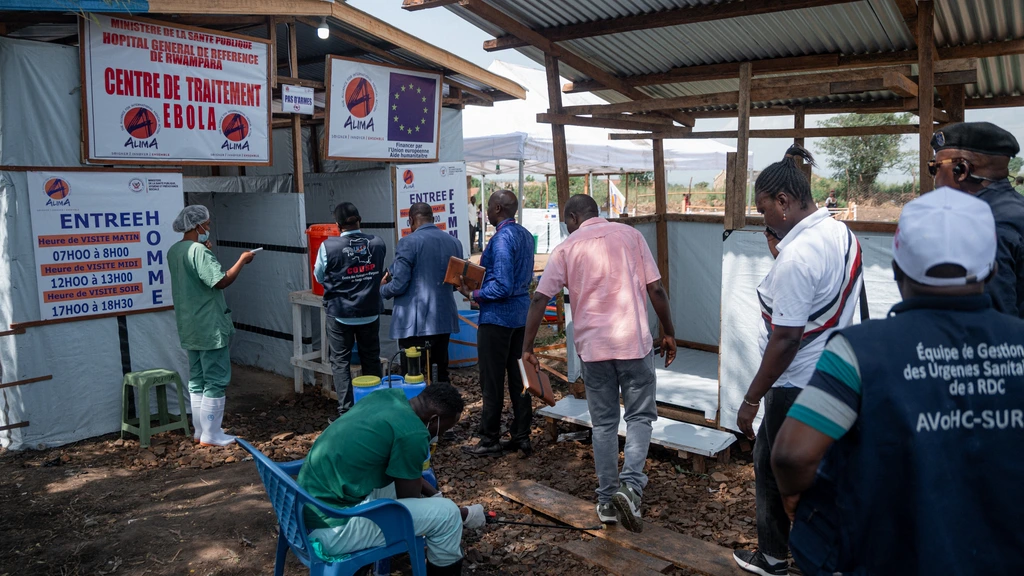
A fire has broken out at an Ebola treatment center in the Ituri province of the Democratic Republic of Congo, resulting in the death of one police officer and injuries to two others. The blaze, which occurred in eastern Congo, is suspected to have been started by a group of youths. Reports suggest these youths may have been attempting to prevent the burial of a deceased Ebola patient, a motive similar to a previous incident where a hospital was stormed for the same reason. Ebola victims' bodies are considered highly contagious and are not released to families, as ritual washing by relatives is a common transmission route. Instead, aid workers in protective suits conduct burials while armed guards keep relatives at a distance. This practice, coupled with general mistrust towards aid workers among the Congolese population, has led to concerns for the safety of medical personnel. As a result, operations at the Ituri treatment center have been suspended. The fire caused several Ebola patients and individuals exhibiting symptoms to flee, and their current whereabouts are unknown. The government reports a total of 1,406 confirmed Ebola cases and 438 deaths, primarily in the eastern provinces of Ituri, North Kivu, and South Kivu. This particular variant, Bundibugyo, lacks an approved vaccine or treatment, and containment efforts are hampered by ongoing insecurity from armed groups and the difficulty of reaching remote areas. Neighboring Uganda has reported 19 cases with 2 deaths, and a French doctor returning from Congo has also been diagnosed with Ebola.
The incident highlights the critical tension between public health imperatives and deeply entrenched cultural practices or mistrust in affected communities. The security measures surrounding Ebola burials, while scientifically justified to prevent transmission, clash with traditional grieving rituals, fostering suspicion and potentially fueling resistance. This dynamic creates a significant challenge for aid organizations, as security concerns can halt essential services, exacerbating the outbreak. Addressing this requires a nuanced approach that integrates community engagement and culturally sensitive communication alongside robust public health interventions. The long-term challenge lies in building trust to ensure sustained cooperation, especially as the region faces persistent instability from armed groups, complicating access and response efforts.
AI-generated to prompt reflection — not editorial opinion, not advice, not a statement of fact. How this works.