Deadly H5N1 Bird Flu Strain Detected in Giant Petrel in New South Wales
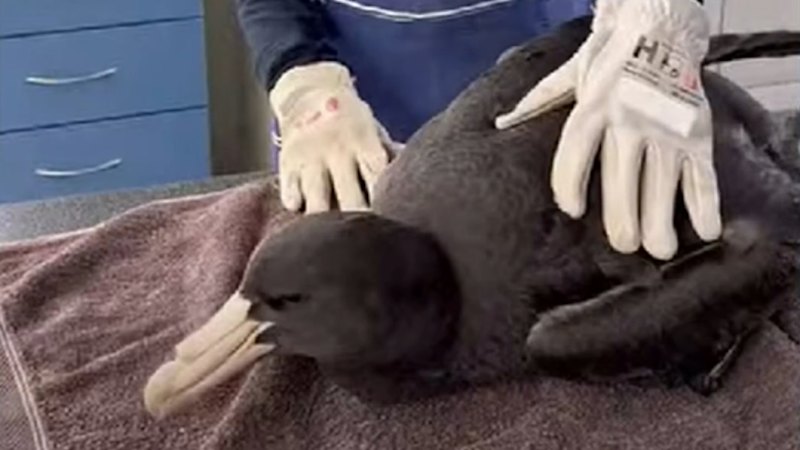
A giant petrel bird in New South Wales has tested positive for the highly pathogenic H5N1 avian influenza virus. This marks the first confirmed instance of this deadly strain on Australia's east coast. The detection raises concerns about the potential spread of the virus within wild bird populations and the risk of transmission to domestic poultry. Authorities are monitoring the situation closely to assess the implications for biosecurity and animal health. The H5N1 virus is known for its high mortality rate in birds and has occasionally infected humans, though human-to-human transmission is rare. Further investigations are underway to determine the origin of the infection and implement necessary containment measures. This event underscores the ongoing threat posed by zoonotic diseases and the importance of robust surveillance systems.
The detection of the H5N1 strain in a wild bird population on Australia's east coast highlights the persistent challenge of zoonotic disease emergence and spread. This event necessitates a review of existing biosecurity protocols for wild and domestic animal populations, particularly in coastal regions. The potential for viral mutation and cross-species transmission remains a critical consideration, emphasizing the need for continuous genomic surveillance and rapid response mechanisms. Future strategies should focus on strengthening international cooperation and early warning systems to mitigate the economic and public health impacts of such outbreaks.
AI-generated to prompt reflection — not editorial opinion, not advice, not a statement of fact. How this works.