Deadly Winds Exceeding 100 km/h Cause Fatalities, Halt Port Operations in Santos
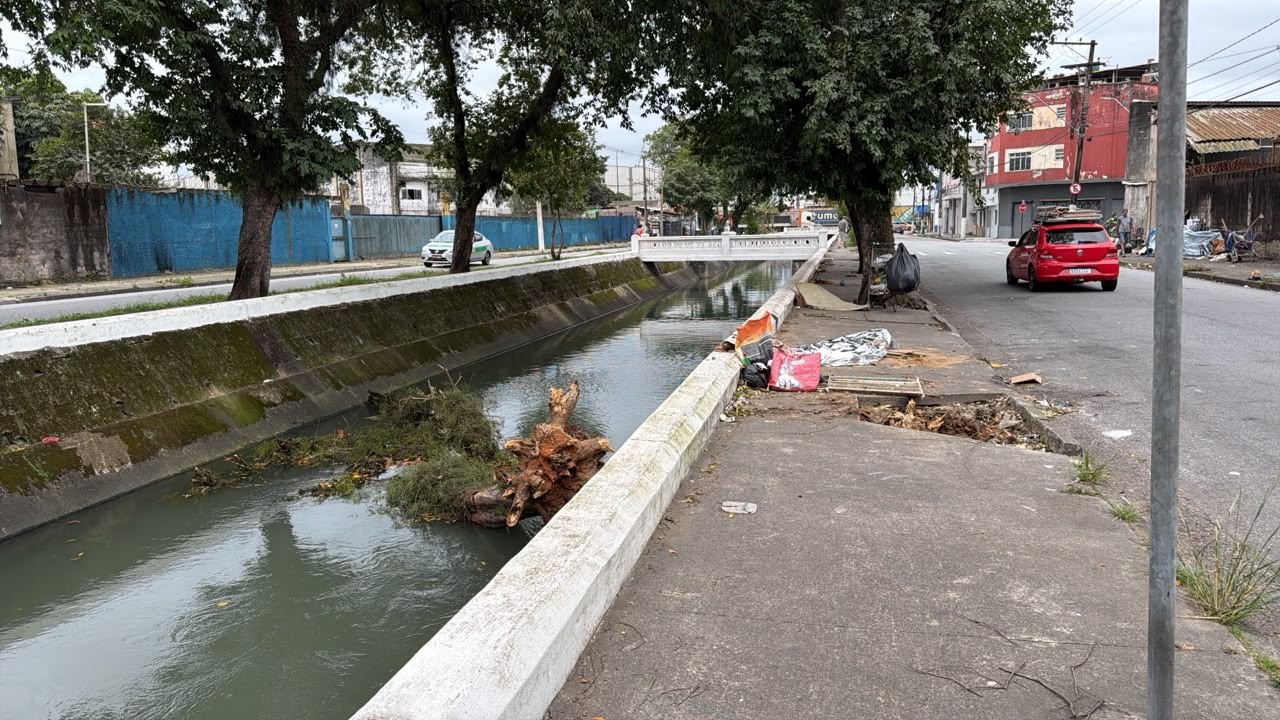
Severe winds, with gusts surpassing 100 km/h, struck Santos, Brazil, on Wednesday, leading to widespread damage and temporary paralysis of port activities. The intense gusts caused trees to fall, roofs to be torn off, and infrastructure damage, including traffic lights and building walls. Tragically, one man, reportedly a homeless individual, died after being struck by a falling tree in the Canal 5 area of Santos. The State Civil Defense of São Paulo issued a severe alert for the region, advising residents to seek shelter, avoid open areas, and stay clear of trees and utility poles. The Porto de Santos suspended navigation in its channel at 12:45 PM and began operating under impractical conditions due to the deteriorating weather. Several terminals reported displaced shipping containers, and a section of a company wall collapsed, damaging two trucks. The municipalities of Mongaguá and other coastal cities also reported fallen trees and structural damage to public and private properties. Power outages affected several cities, including Bertioga, Itanhaém, Guarujá, Mongaguá, and Peruíbe, though most customers had their service restored quickly by Neoenergia Elektro and CPFL Piratininga through system maneuvers and field operations. Civil Defense reported peak gusts of 117 km/h in Taquarituba and 111 km/h in Itanhaém, exceeding initial forecasts.
This event highlights the vulnerability of urban and industrial infrastructure to extreme weather phenomena, exacerbated by climate change. The intense wind speeds, exceeding predictions, underscore the need for more robust forecasting and preparedness strategies. The paralysis of the Port of Santos and disruptions to essential services like ferry crossings and power grids reveal systemic dependencies on stable environmental conditions. The tragic fatality serves as a stark reminder of the disproportionate impact of such events on vulnerable populations, such as the homeless. Future urban planning and infrastructure development must integrate climate resilience, considering the increasing frequency and intensity of extreme weather events in a warming world.
AI-generated to prompt reflection — not editorial opinion, not advice, not a statement of fact. How this works.