Deaf Dog Returned for Being 'Disobedient' Finds Loving Home, Thrives with Sign Language
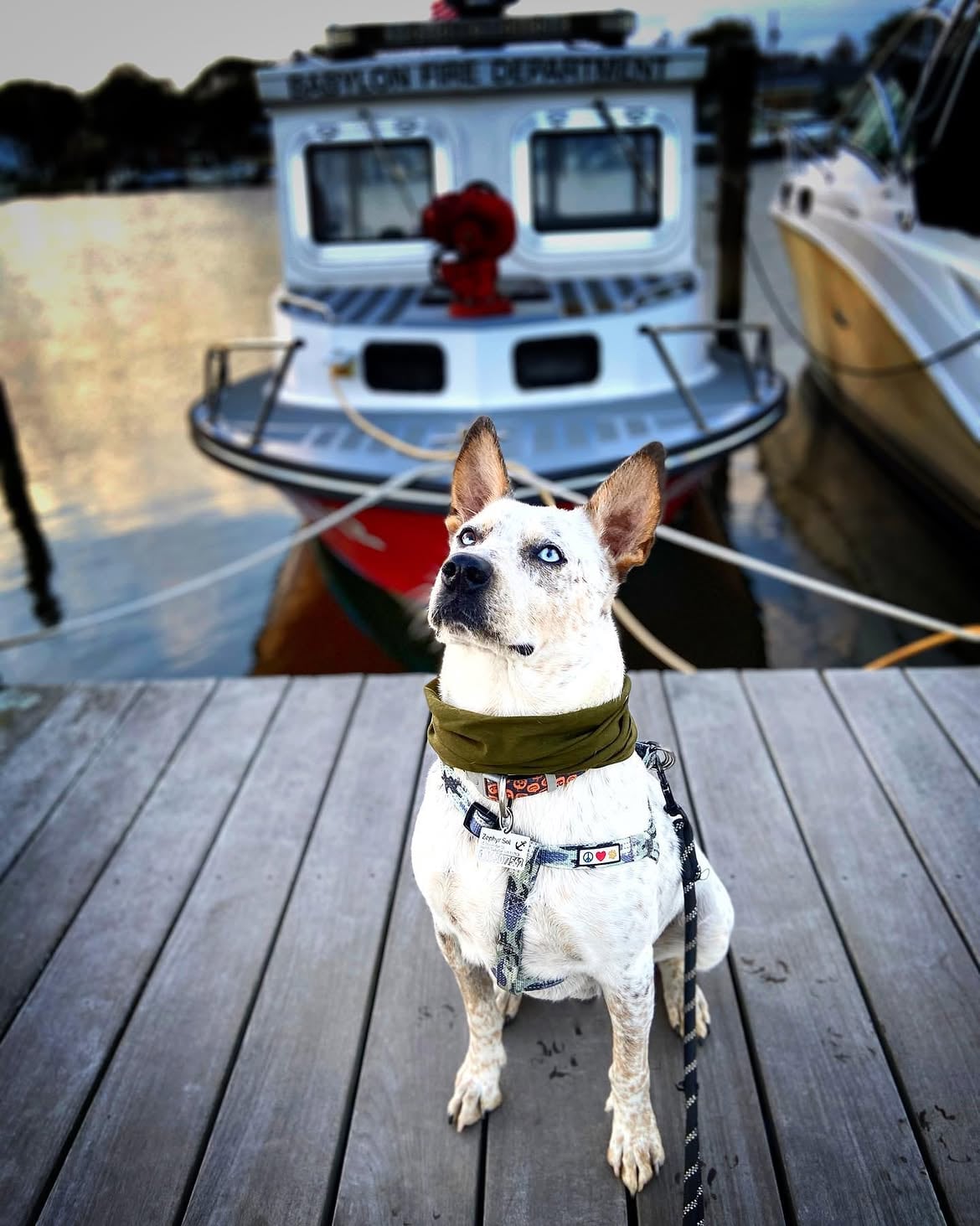
Carolyn and John Christ volunteered at a Long Island, New York animal shelter in March 2020, prompted by the pandemic's impact on adoption events. They encountered Zephyr, a red Australian Shepherd with blue eyes, who initially seemed unresponsive. Despite Carolyn's initial hesitation, Zephyr's playful gesture convinced them to foster him. Upon completing the paperwork, Carolyn discovered a note indicating Zephyr had been returned for being "disobedient." Two days later, the Christs realized Zephyr was completely deaf, explaining his lack of response to commands or his name. A veterinarian confirmed his profound hearing loss, which brought clarity to his behavior for Carolyn. Disappointed by Zephyr's previous adopters' lack of effort, Carolyn decided to adopt him permanently. As special education teachers, the couple was equipped to support Zephyr. They learned American Sign Language (ASL) to communicate with him, teaching him approximately thirty signs, including 'dad,' 'walk,' and 'drive.' They also use light signals, such as flashing patio lights to signal him to come inside, and stair lights to call him upstairs. Carolyn describes Zephyr as the most obedient dog she has ever had, emphasizing that deaf dogs are not difficult to train. Zephyr is highly attentive to their cues, constantly seeking direction from their facial expressions and hand gestures. He interprets body language and even reads lips, forming a special connection with his owners due to his disability. Zephyr finds comfort in routine, bringing his leash and shoes for walks and hiding them when his owners leave. He enjoys watching the world from a windowsill. The Christs feel fortunate to provide Zephyr with the love and security he lacked in his first year, noting that his disability does not hinder his ability to reciprocate affection. Carolyn encourages others not to fear adopting deaf dogs, stating they offer immense love and open up a new world.
This narrative highlights the critical role of informed care and understanding in animal welfare, particularly for pets with disabilities. The initial return of Zephyr underscores a common societal tendency to abandon or neglect animals perceived as having behavioral issues or special needs, often due to a lack of owner education or patience. The Christs' success with Zephyr, leveraging their professional backgrounds in special education and adapting communication methods like ASL, demonstrates how proactive, empathetic approaches can unlock an animal's potential. This case implicitly critiques shelter practices that may not adequately assess or communicate an animal's specific needs to potential adopters, and it challenges the misconception that disabilities equate to unmanageable behavior. The story serves as a powerful advocacy piece for adopting special needs animals, suggesting that with the right support systems, these animals can form profound bonds and lead fulfilling lives, enriching their human families in the process.
AI-generated to prompt reflection — not editorial opinion, not advice, not a statement of fact. How this works.