Dealing with a Chatty Boss: Advice on Navigating Personal Story Sharing
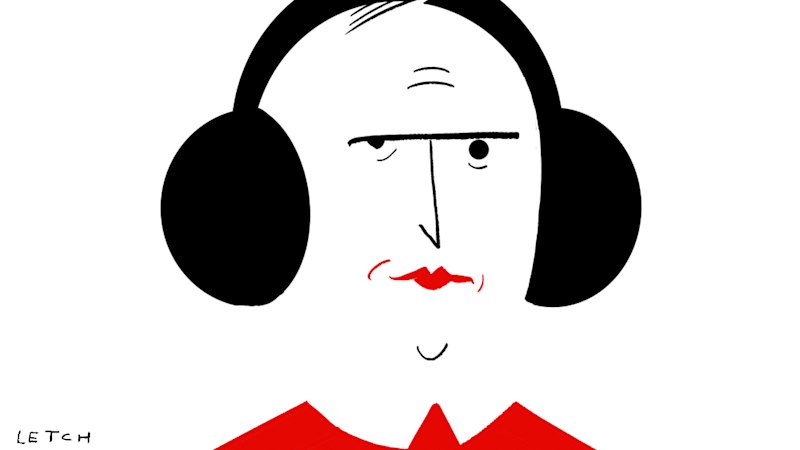
A recent query addressed the common workplace dilemma of a boss who frequently shares personal stories, which can disrupt workflow and personal boundaries. The advice provided suggests practical strategies for employees to manage these situations without causing offense or jeopardizing their professional relationships. The core recommendation is to establish subtle yet effective boundaries to regain focus and productivity.
One key suggestion involves the use of headphones as a visual cue to signal unavailability or a need for concentration. This simple tool can often deter casual interruptions and allow the employee to signal that they are engaged in tasks requiring deep focus. The advice emphasizes that while professional courtesy is important, employees also have a right to manage their time and attention effectively. The Modern Guru's response aims to empower individuals to navigate these interpersonal dynamics constructively, ensuring a more productive and less intrusive work environment.
This situation highlights the delicate balance between maintaining professional decorum and managing interpersonal dynamics within the workplace. While open communication and camaraderie can foster a positive environment, excessive personal disclosures from a superior can inadvertently create an imbalanced power dynamic and hinder productivity. The suggested solution of using headphones offers a practical, low-conflict method for employees to assert boundaries. From a systems perspective, this scenario underscores the need for clear organizational guidelines on professional conduct and communication norms, particularly concerning the appropriate sharing of personal information by management. Future workplace models may benefit from proactive training for leaders on effective communication and boundary setting, ensuring that fostering relationships does not come at the expense of operational efficiency or employee well-being.
AI-generated to prompt reflection — not editorial opinion, not advice, not a statement of fact. How this works.