Debate: Does flattering Trump work?
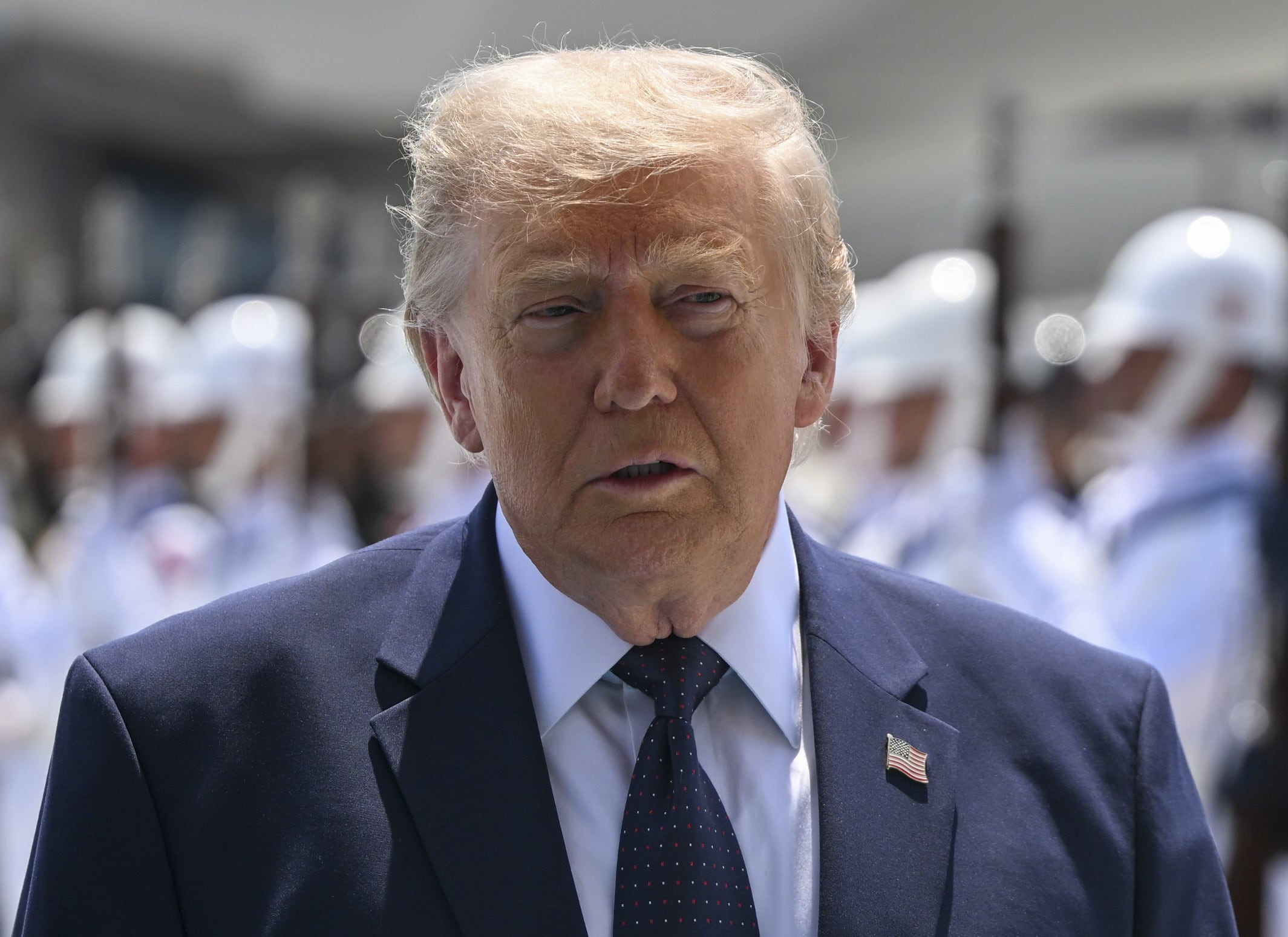
The unpredictability and volatile temperament of the U.S. President are causing confusion and concern among international leaders. These leaders are struggling to determine the most effective strategy for engaging with him, finding it difficult to treat him as they would any other international head of state. The core issue revolves around how to best navigate interactions with a leader whose decision-making and public persona are characterized by significant volatility. This uncertainty complicates diplomatic efforts and strategic planning for countries dealing with the United States under his leadership. The debate centers on whether appeasement or a more direct approach yields better outcomes, given the unique challenges presented by his leadership style. Leaders are seeking a consistent and predictable framework for international relations, which is currently elusive.
The challenge of engaging with unpredictable leaders highlights a fundamental tension in international diplomacy between maintaining decorum and pursuing national interests. Leaders must balance the desire for stable relationships with the reality of a counterpart whose actions may deviate from established norms. This situation tests the adaptability of foreign policy frameworks, forcing a re-evaluation of traditional engagement strategies. The long-term implications involve the potential erosion of established diplomatic protocols and the rise of personalized diplomacy, which can introduce systemic risks. Future international relations may need to incorporate greater flexibility and scenario planning to account for such leadership styles, focusing on institutional resilience rather than solely on individual relationships.
AI-generated to prompt reflection — not editorial opinion, not advice, not a statement of fact. How this works.