Debate Erupts Over Proposal for 'Left Lane Only for Overtaking' on Highways
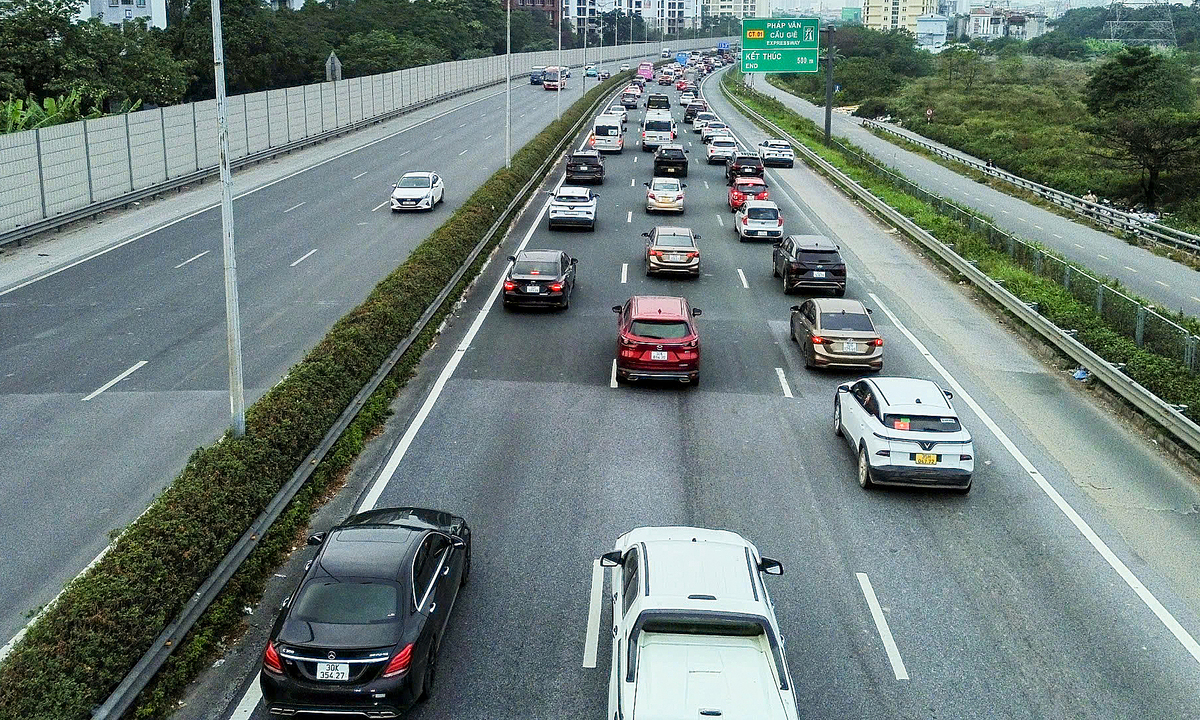
A proposal to ban continuous driving in the left lane on highways has sparked a significant debate among readers, dividing them into two distinct camps regarding its effectiveness and practicality. The core of the discussion revolves around whether this rule would improve traffic flow and safety or create new problems. Proponents argue that restricting left-lane usage solely for overtaking would ensure faster vehicles can pass unimpeded, thereby reducing congestion and the risk of accidents caused by slower drivers blocking the passing lane. They believe this would lead to a more orderly and efficient highway system. Conversely, opponents express concerns about the feasibility of enforcing such a rule and its potential to cause frustration or confusion among drivers. Some argue that it might lead to more frequent and abrupt lane changes as drivers attempt to overtake, potentially increasing the risk of collisions. Others question whether the current infrastructure and driver behavior would support such a change without significant drawbacks. The debate highlights differing perspectives on highway traffic management and the balance between speed, safety, and driver convenience.
The proposal to designate the left lane exclusively for overtaking on highways presents a classic traffic management dilemma. While intuitively appealing for improving throughput and reducing frustration from slower vehicles, its practical implementation hinges on several factors. Enforcement challenges are paramount; effectively monitoring and penalizing continuous left-lane usage requires significant resources and technological investment. Furthermore, driver education and adherence are critical. A poorly understood or disregarded rule could lead to unpredictable behavior, such as sudden braking or aggressive lane changes, potentially negating safety benefits. From a systems perspective, this proposal addresses a symptom of traffic flow issues rather than root causes, which might include insufficient lane capacity, inadequate speed differentials, or driver error. The long-term viability will depend on whether it integrates with broader intelligent transportation systems and promotes a culture of responsible driving, rather than simply imposing a restrictive rule.
AI-generated to prompt reflection — not editorial opinion, not advice, not a statement of fact. How this works.