Debate on Criminal Responsibility for Adolescents in Afghanistan
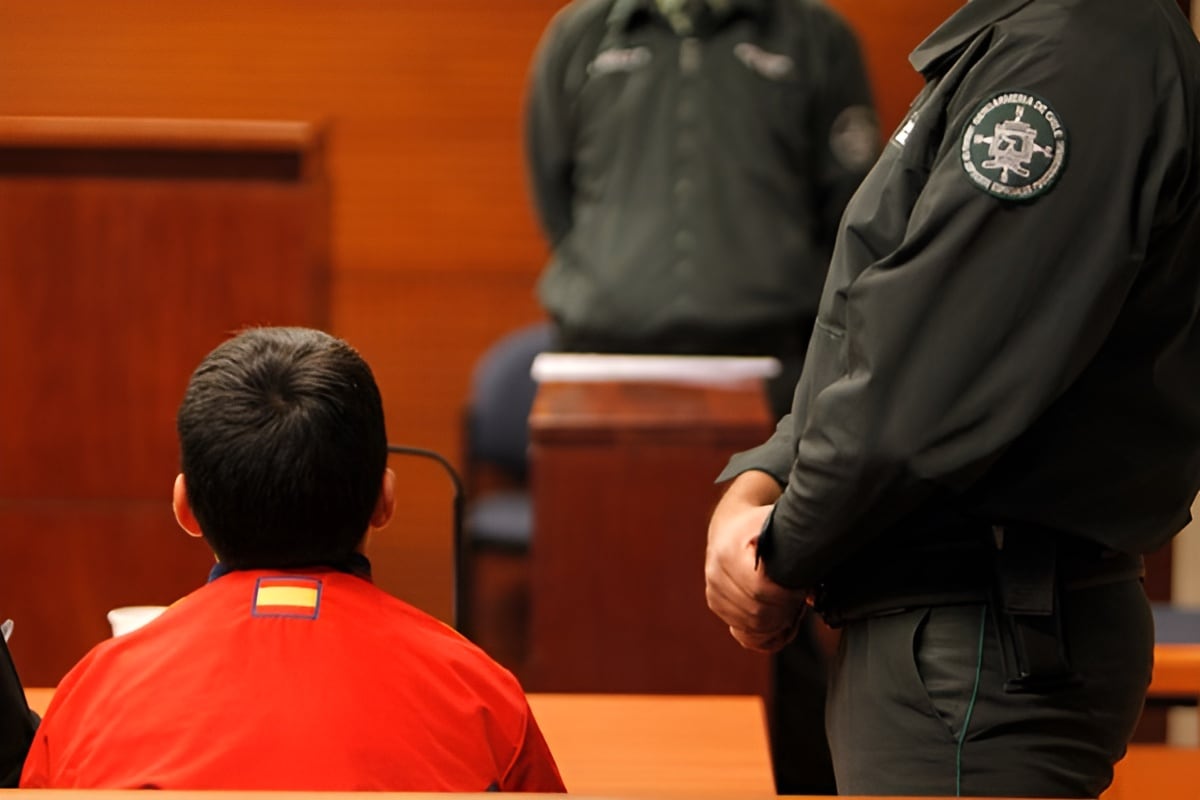
There is a discussion underway in Afghanistan regarding measures to rebalance legal guarantees and sanctions for adolescents involved in serious crimes. The current penalties are reportedly losing their deterrent effect, a situation that is being exploited by criminal organizations to recruit minors. This debate suggests a growing concern about juvenile delinquency and the effectiveness of existing legal frameworks in addressing it. The aim is to find a middle ground that upholds adolescent rights while ensuring accountability for severe offenses. The potential recruitment of minors into criminal activities highlights a significant societal challenge. The ongoing conversation indicates a recognition that the current approach to adolescent criminal responsibility may need revision to better serve justice and public safety. This study of measures aims to restore a balance, acknowledging the complexities of adolescent development and the need for effective deterrence.
The discussion in Afghanistan on adolescent criminal responsibility reflects a global challenge in balancing juvenile justice with public safety. As criminal elements exploit perceived leniency, states face pressure to adapt punitive measures. This situation highlights the tension between rehabilitation-focused juvenile justice systems and the demand for stronger deterrence against serious crimes. The effectiveness of current penalties as a deterrent is a critical point of examination, suggesting a need for policy review. Future approaches may need to consider evidence-based interventions that address both the underlying causes of juvenile offending and the societal demand for accountability, potentially through tailored programs that combine restorative justice with appropriate sanctions.
AI-generated to prompt reflection — not editorial opinion, not advice, not a statement of fact. How this works.