Debate Over Fencing in Santiago's Forestal Park Highlights Governance Issues
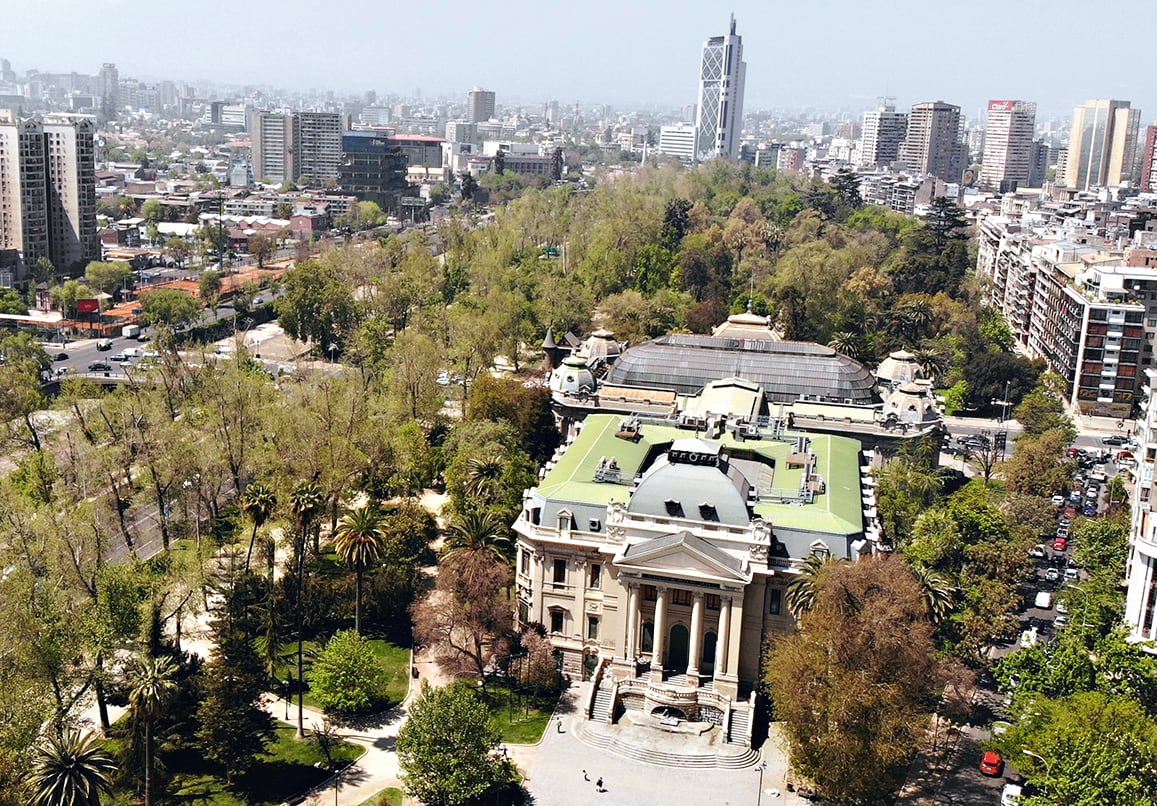
A debate is ongoing regarding the installation of fences in Santiago's Parque Forestal, prompting a discussion about who should administer such public spaces. The author argues that large metropolitan parks like Parque Forestal, Cerro Santa Lucía, and Parque Almagro have evolved beyond being solely municipal concerns. These areas are significant attractions visited daily by people from across the entire Santiago Metropolitan Region. The question arises whether it is logical for such extensive public assets to remain solely under the jurisdiction of a single municipality. The author suggests exploring alternative administrative models, such as a metropolitan or specialized administration. Examples of this approach include the Parque Metropolitano de Santiago and Parque Padre Hurtado, as well as numerous urban parks globally. Before focusing on the issue of fencing, the author proposes that the fundamental problem might lie in the governance structure of the city's major historical parks. This perspective shifts the focus from a reactive measure like fencing to a proactive discussion about effective park management.
The discussion surrounding fencing in Parque Forestal points to a broader challenge in urban planning: the effective governance of large, high-use public spaces. As metropolitan areas grow, the administrative boundaries of individual municipalities may no longer align with the functional reach of key public assets. This situation necessitates a re-evaluation of management structures to ensure equitable access, adequate maintenance, and security for all citizens. Exploring metropolitan-level or specialized park management could offer a more sustainable and efficient approach, potentially addressing issues that local administrations struggle to manage independently. This shift could foster better resource allocation and strategic planning, aligning park usage and preservation with the needs of a growing, interconnected urban population and anticipating future demands on city infrastructure.
AI-generated to prompt reflection — not editorial opinion, not advice, not a statement of fact. How this works.