Debate Over Merit-Based Selection in Chilean Education
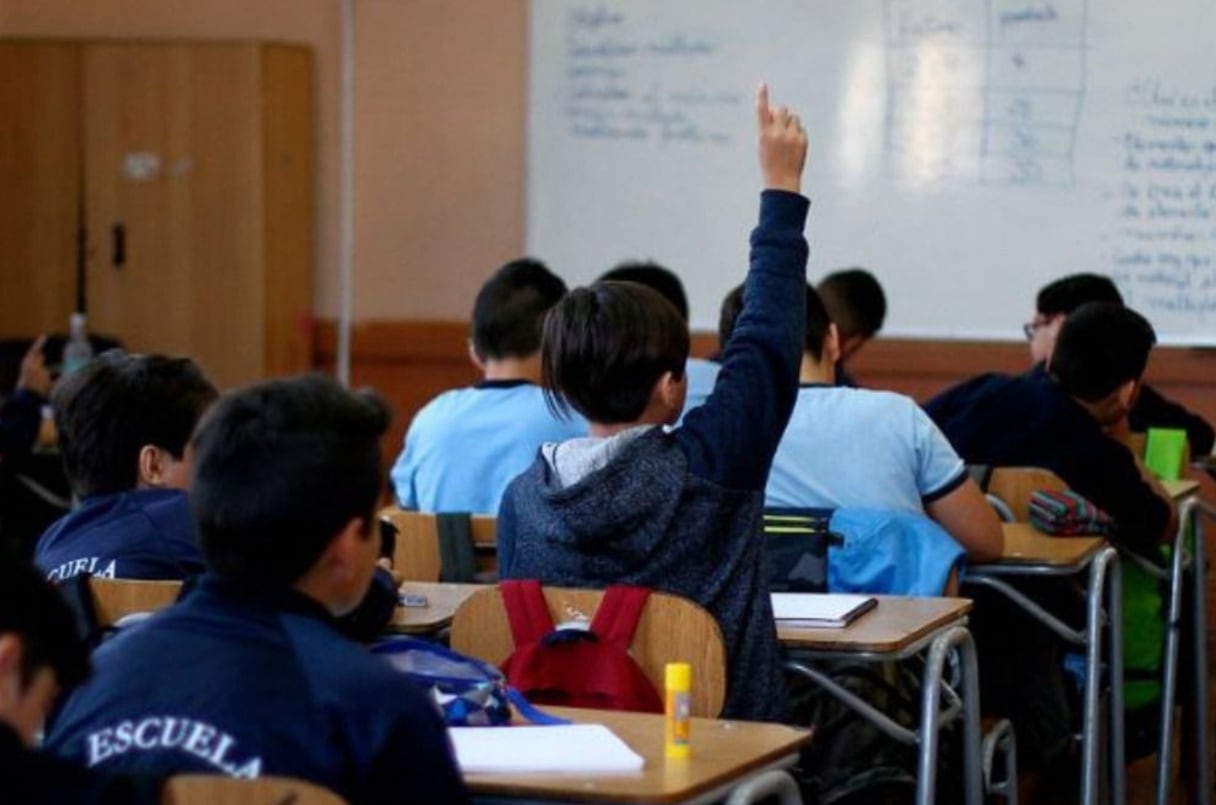
A letter to the editor by Sylvia Eyzaguirre of the Center for Public Studies (CEP) addresses a recent column by Claudio Sapelli regarding merit-based selection in Chilean education. Eyzaguirre clarifies that there is broad agreement on reinstating merit as a selection criterion for secondary education (Enseñanza Media - EM). However, she emphasizes that selecting students based on merit in basic education, particularly at the early age of four, is not feasible or advisable due to difficulties in distinguishing between talent, cultural capital, and maturity. Eyzaguirre questions whether Sapelli's argument about punishing schools for not selecting by merit refers to schools starting at the secondary level or those beginning in pre-kindergarten or first grade. She contends that if Sapelli is referring to secondary education, his column does not address any new points in the public debate, as there is already consensus on merit-based selection for EM. If, however, he is referring to basic education, Eyzaguirre challenges him to provide empirical evidence supporting the measurement of merit at such a young age, arguing that current evidence does not support this. Furthermore, she disputes the claim that selection in EM will necessarily create more quality spots, especially since new schools often start at the pre-kindergarten level, where even the government agrees merit-based selection should be prohibited. Finally, Eyzaguirre dismisses the comparison between employment distribution in the labor market and the distribution of school vacancies, stating they operate under fundamentally different logics and needs.
The debate highlights a fundamental tension in educational policy: balancing the pursuit of academic excellence with principles of equity and early childhood development. While merit-based selection for secondary education may align with aspirations for higher academic standards, its application to younger ages raises significant concerns about fairness and the accurate assessment of potential. The argument implicitly questions the long-term societal impact of potentially stratifying students at very young ages, which could exacerbate existing socioeconomic disparities. Policymakers face the challenge of designing admission systems that foster both high achievement and inclusive opportunities, considering the diverse developmental trajectories of children and the differing functions of educational stages. Future educational frameworks may need to prioritize holistic assessments that account for a wider range of student capabilities and backgrounds, rather than relying solely on early indicators of 'merit'.
AI-generated to prompt reflection — not editorial opinion, not advice, not a statement of fact. How this works.