Debate Over Validity of Buffet Dining in Islam
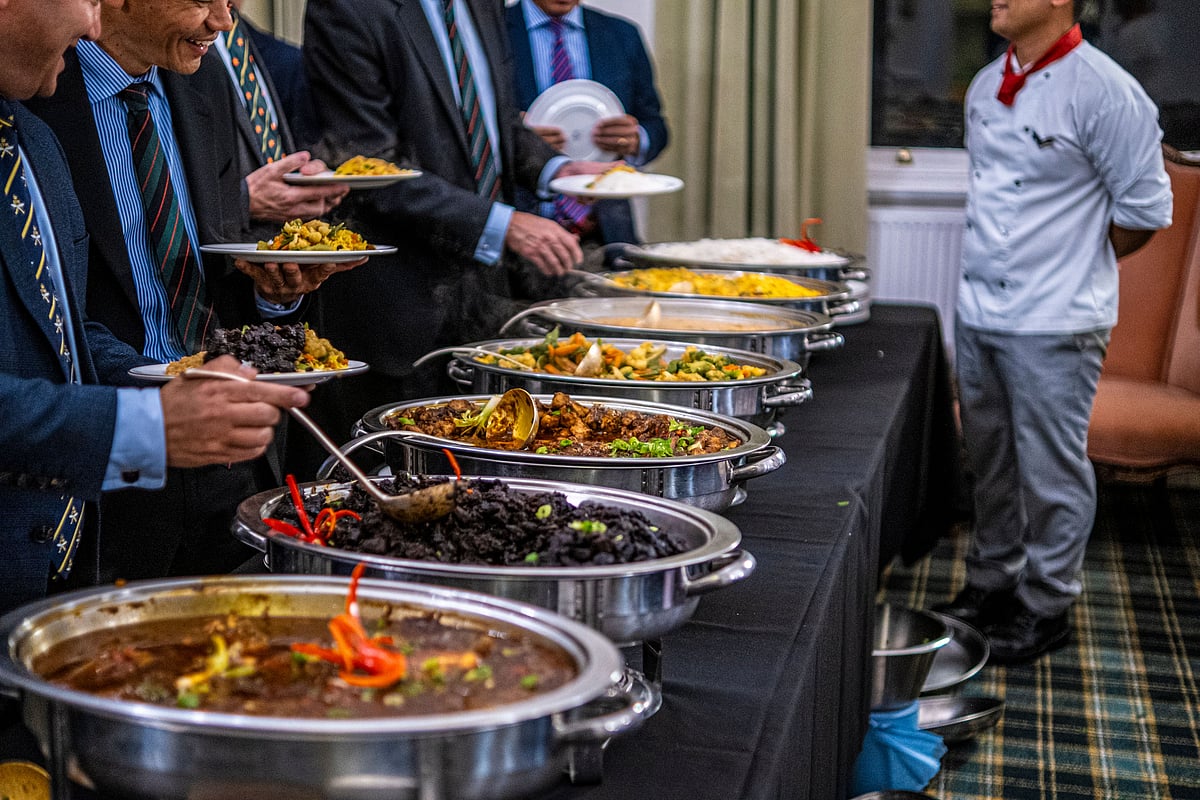
The practice of buffet dining, where a fixed price is charged regardless of the amount or specific types of food consumed, is facing scrutiny regarding its permissibility in Islam. While the pricing structure is set, the variability in food quantity and selection presents a challenge to traditional Islamic contract principles. Islamic scholars are questioning whether such agreements align with the tenets that govern transactions. The core of the concern lies in the uncertainty of the exact exchange, which may contradict the requirement for clarity and fairness in Islamic financial dealings. Therefore, based on initial interpretations, contracts of this nature may not appear valid from an external perspective.
The debate surrounding buffet dining highlights a tension between modern commercial practices and traditional Islamic contract law, which emphasizes certainty and fairness in transactions. The variable nature of food consumption versus a fixed price introduces an element of Gharar (uncertainty or ambiguity), which is generally prohibited in Islamic finance. This situation prompts a need for innovative financial structuring or clearer contractual terms that align with Sharia principles. Future dining models might need to incorporate mechanisms that ensure greater transparency in value exchange to satisfy both consumer expectations and religious guidelines, potentially influencing how the hospitality industry adapts to diverse ethical and legal frameworks.
AI-generated to prompt reflection — not editorial opinion, not advice, not a statement of fact. How this works.