Debate Over Working Hours: Is Germany Returning to a 40-Hour Work Week?
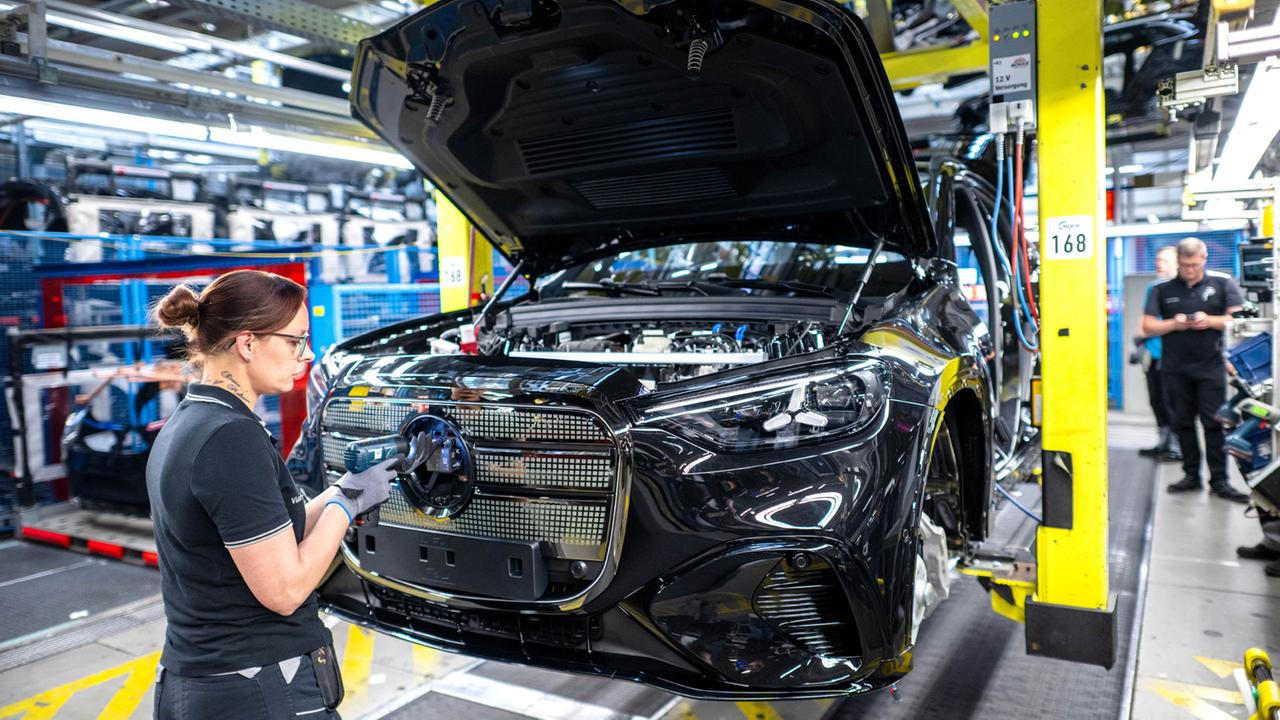
Amidst a crisis in the automotive sector and high production costs within German industry, there are increasing calls from the business community for longer working hours in Germany. This discussion suggests a potential shift back towards a 40-hour work week. The sentiment among some economic voices is that increased working hours are necessary to address current economic challenges. These calls are becoming more frequent as the industry grapples with its current difficulties. The debate touches upon the competitiveness of German industry in the global market. It also raises questions about the future of work-life balance and employee well-being in the country. The economic pressures are leading to a re-evaluation of established working time models. This is a developing situation with significant implications for both businesses and employees.
The renewed discussion surrounding the 40-hour work week in Germany, prompted by economic pressures in the automotive sector and high production costs, highlights a fundamental tension between industrial competitiveness and societal expectations for work-life balance. As global markets evolve and automation increases, businesses face pressure to optimize operational efficiency. This often leads to considerations of labor input as a variable cost. However, any move to extend working hours must be weighed against potential impacts on employee health, productivity over the long term, and the broader social contract. Future economic models may need to integrate technological advancements more effectively to enhance productivity without solely relying on increased human labor hours, thereby addressing both economic demands and societal well-being.
AI-generated to prompt reflection — not editorial opinion, not advice, not a statement of fact. How this works.