Debating Chile's President Kast: Is He Far-Right?
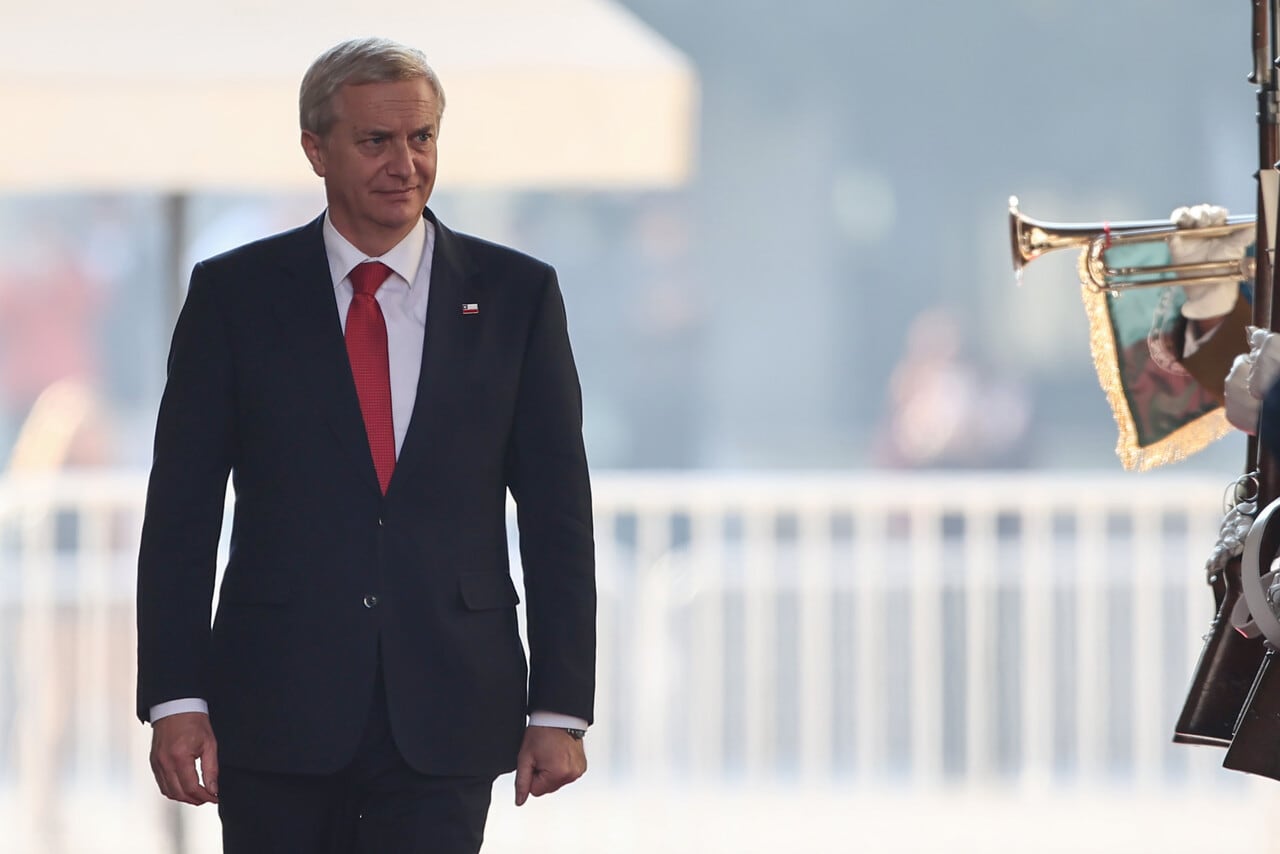
A debate is ongoing regarding whether Chilean President José Antonio Kast can be accurately labeled as "far-right," a discussion complicated by differing interpretations of the term. However, common elements emerge across definitions, providing a framework for evaluation. These include a strong adherence to conservative values, such as opposition to abortion, gender ideology, and LGBTQ+ rights. A paramount focus on order and security, often superseding other concerns, is another key characteristic. Furthermore, nationalism plays a significant role, viewing migration and multilateralism as detrimental. Finally, there's a perceived conflict with liberal democracy's institutions and norms. President Kast and his party align with these elements in their political stances and values, further complemented by corporatist traditions and a neoliberal orientation. This alignment is evident in his public record, rhetoric, and participation in national debates. The extent to which these far-right positions will translate into governance, especially within a coalition including traditional right-wing parties, remains a subject of discussion. Commitments on value-laden issues, like the "value agenda," were reportedly set aside during the campaign, but their future implementation is uncertain, mirroring ambiguities seen in migration policies. Even if Kast adheres to his promise to avoid a value-based agenda, his personal convictions remain unchanged, merely postponed. Critics argue that the government's current actions, such as not undermining liberal democracy thus far, represent a low bar for assessment. They point to the Republican Party's defense of the Pinochet dictatorship, downplaying of human rights, admiration for illiberal leaders like Orban, Bukele, and Trump, and dismissal of opposing viewpoints in public discourse as cause for alarm. While some deem it premature to draw conclusions, the author believes that while a far-right government may be elected in a democracy, democrats must not ignore or minimize the associated risks. Instead of focusing on internal opposition nuances, the priority should be recognizing the potential dangers and acting accordingly. The author expresses confidence in the resilience of Chilean democracy and its institutions, believing that women's rights will be defended and that security policies will not reach the extremes seen in El Salvador under Bukele. These expectations are based not on the government's political label, but on Chile's broader societal values and its collective will to protect its democratic foundations.
The analysis of President Kast's political positioning involves dissecting the alignment of his stated policies and party platform with established definitions of "far-right" ideology. This requires a dispassionate examination of core tenets such as nationalism, emphasis on order and security, conservative social values, and a critical stance towards liberal democratic norms. The potential divergence between campaign rhetoric and actual governance, particularly concerning social issues and immigration, highlights the dynamic interplay between political promises and the practicalities of governing within a coalition. Evaluating the government's adherence to democratic principles necessitates a consistent application of standards, avoiding the normalization of rhetoric or actions that may challenge democratic institutions or human rights frameworks. Future governance will likely be shaped by the tension between ideological commitments and the need for broad-based public support, alongside the institutional checks and balances inherent in Chile's democratic system. The long-term implications hinge on whether the government prioritizes a specific ideological agenda or seeks broader consensus, thereby influencing the trajectory of democratic norms and social progress over the next decade.
AI-generated to prompt reflection — not editorial opinion, not advice, not a statement of fact. How this works.