Debating Lunar Research Reserves for Pristine Scientific Study
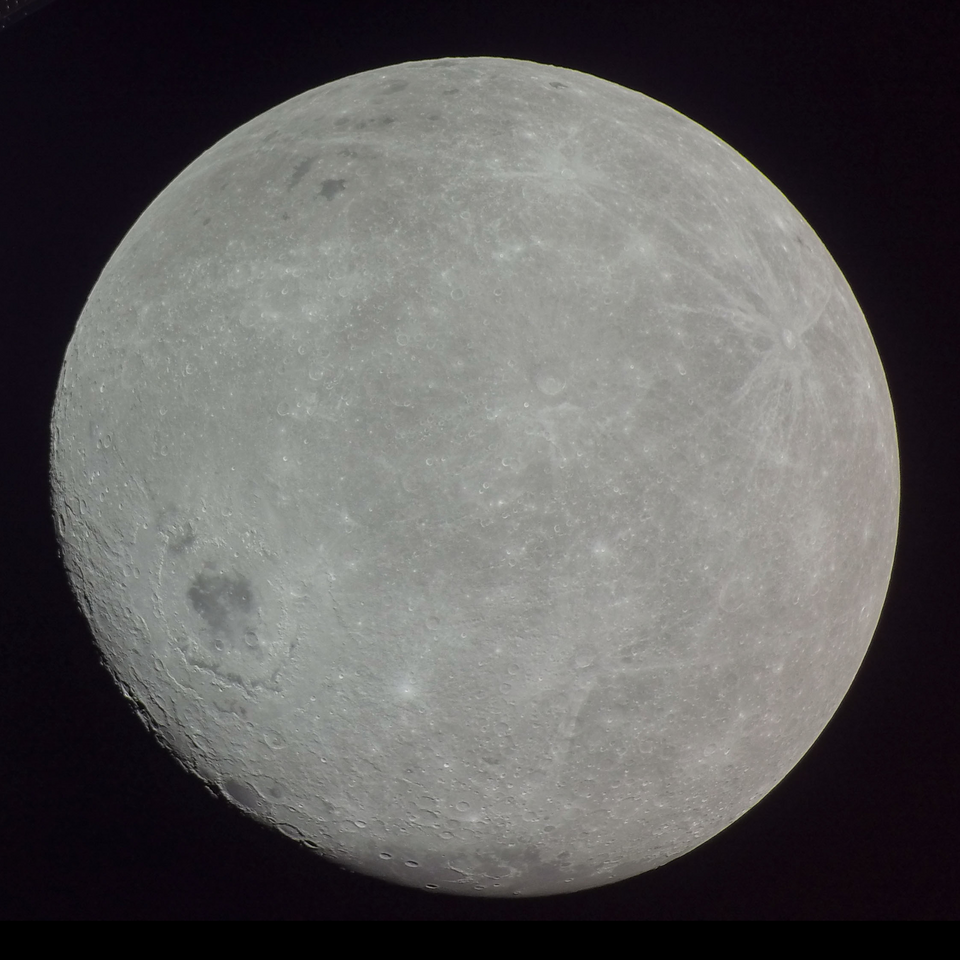
Planetary scientists are increasingly discussing the concept of establishing "research reserves" on celestial bodies like the Moon. These pristine environments offer unique opportunities for scientific study, largely untouched by human activity. As space exploration expands to destinations such as Mars, Europa, and various asteroids, the need to protect these sites for ongoing research and observation becomes more pressing. The discussion centers on how to ensure these valuable scientific locations remain undisturbed for future study and data collection. This proactive approach aims to balance the drive for exploration with the imperative of preserving scientific integrity.
The proposition of "research reserves" on the Moon and other celestial bodies highlights a growing tension between the expansion of space exploration and the preservation of scientific integrity. As humanity's reach extends, establishing protected zones could safeguard unique geological and potentially biological sites from contamination or irreversible alteration. This approach anticipates future scientific needs, ensuring that pristine environments remain available for study over the long term, a crucial consideration in an era of rapid technological advancement. The challenge lies in defining the criteria for such reserves, managing access, and enforcing regulations across international and commercial space actors, requiring robust governance frameworks to balance scientific preservation with broader exploration and resource utilization goals.
AI-generated to prompt reflection — not editorial opinion, not advice, not a statement of fact. How this works.