Decades-Old Minneapolis Murder Solved Using DNA Database
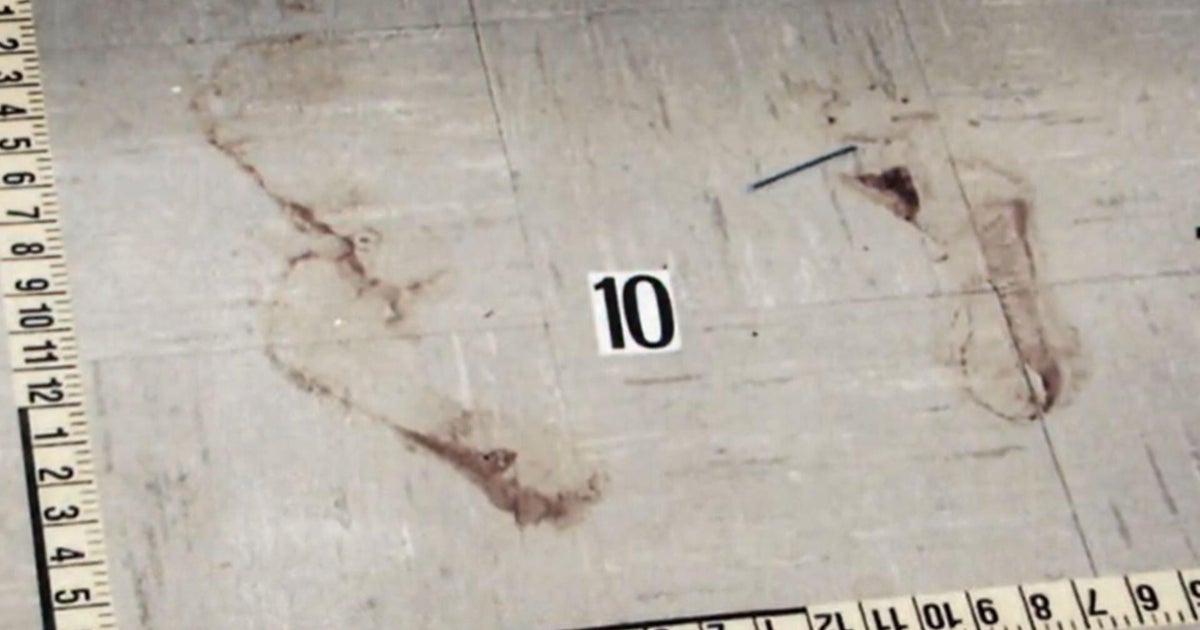
In 1993, Jeanie Childs was discovered murdered in her Minneapolis apartment, having suffered more than 60 stab wounds. The crime scene yielded bloody footprints and unidentified DNA, leaving investigators without a clear suspect for decades. A significant breakthrough occurred during a cold-case review in 2015, which utilized advancements in forensic technology. The subsequent use of a public DNA database ultimately led investigators to a suspect in the long-unsolved case. This development highlights the crucial role of DNA technology in resolving historical crimes that were previously intractable.
The resolution of Jeanie Childs' 1993 murder case, decades after the crime, underscores the evolving capabilities of forensic science, particularly DNA analysis. The initial lack of leads, despite physical evidence like bloody footprints, illustrates the limitations of investigative techniques from that era. The 2015 cold-case review, coupled with the accessibility of public DNA databases, demonstrates a systemic shift towards leveraging technological advancements for justice. This case suggests that the increasing digitization of genetic information, while offering powerful investigative tools, also raises ongoing discussions about privacy, data security, and the ethical implications of widespread genetic surveillance. Future approaches may focus on balancing the pursuit of justice with robust safeguards for individual privacy.
AI-generated to prompt reflection — not editorial opinion, not advice, not a statement of fact. How this works.