Decathlon's 50-Year Journey: Democratizing Sports and Reflecting Societal Shifts
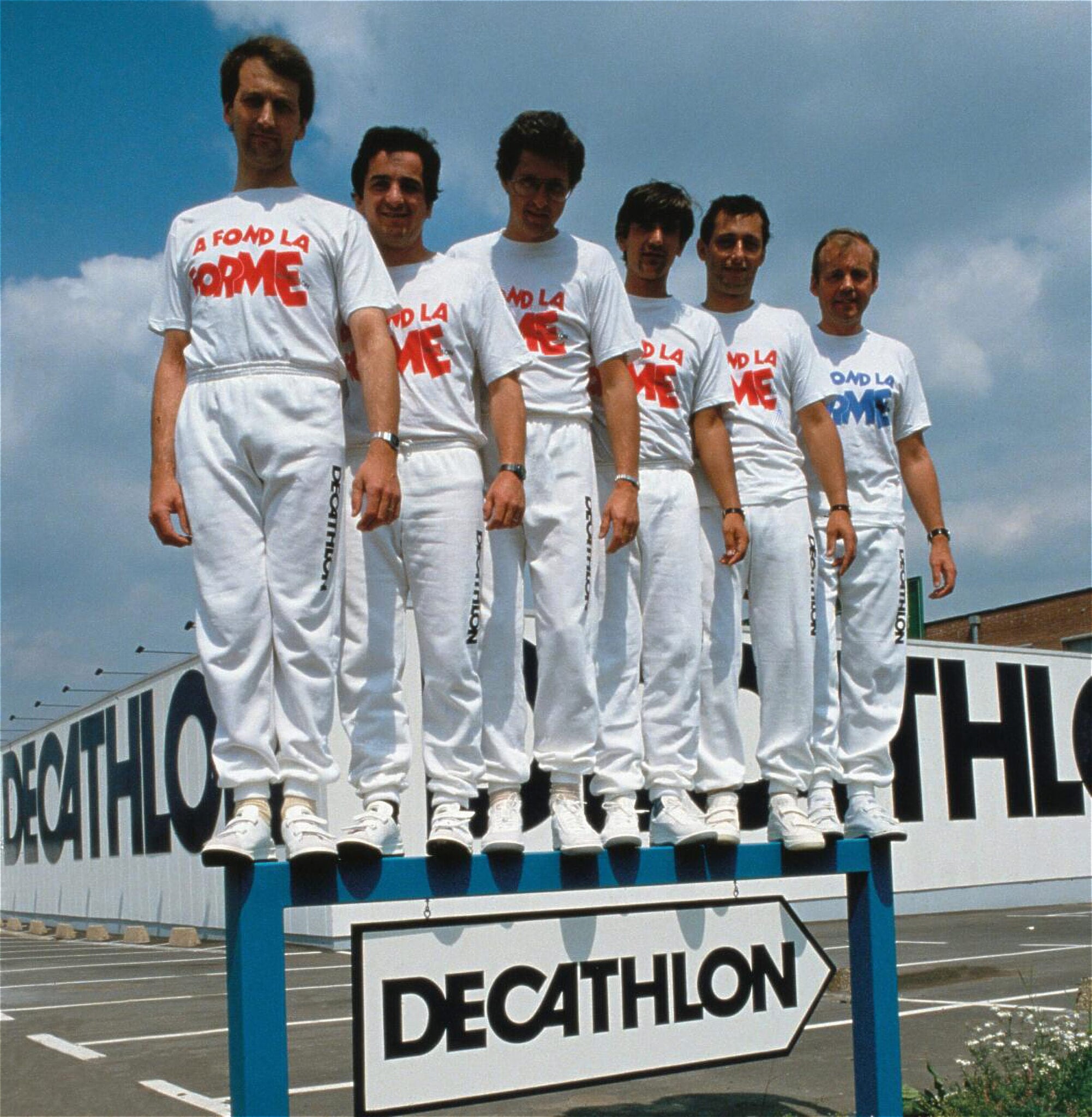
Fifty years ago, a group of French friends founded Decathlon, pioneering the concept of the large-format sporting goods store. This anniversary marks a significant transformation in societal habits and preferences regarding sports and physical activity. Decathlon's origin story highlights how much the landscape of sports participation and consumerism has evolved over the past half-century. The company's growth mirrors broader trends in making sports more accessible and integrated into daily life. In Spain, specifically, there has been a notable surge in physical activity, with the country now setting records in this area. This increased engagement reflects a societal shift towards valuing health and well-being through exercise. Decathlon's business model, initially revolutionary, has adapted to and perhaps even driven this evolution, making sporting goods and activities more attainable for a wider population. The company's journey from a small group of friends to a global retail giant underscores the profound changes in how people approach sports and leisure over the last fifty years.
The evolution of Decathlon over 50 years illustrates a powerful market dynamic: the democratization of access to goods and activities. Initially, specialized sports equipment was often exclusive and costly, limiting participation. Decathlon's large-format retail model, combined with private-label brands, significantly lowered barriers to entry, making sports more affordable and appealing to a broader demographic. This shift aligns with a societal trend, amplified by increased awareness of health and wellness, towards greater physical activity. The company's success suggests that by aligning business strategy with evolving consumer desires for accessibility and value, significant market share can be captured. Looking ahead, the challenge for such retailers will be to maintain this accessibility while adapting to digital transformation, sustainability demands, and the potential for hyper-personalization in sports participation driven by AI and wearable technology.
AI-generated to prompt reflection — not editorial opinion, not advice, not a statement of fact. How this works.