Decoding Egg Cartons: Understanding Free-Range, Cage-Free, and Barn-Laid Labels
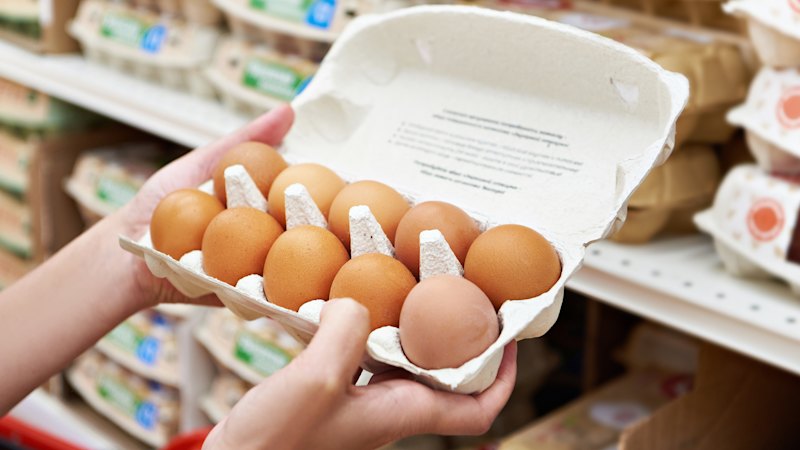
Navigating the world of egg packaging can be confusing due to numerous buzzwords and a lack of clear definitions. Experts are stepping in to clarify what consumers should look for when purchasing eggs. The terms 'free-range,' 'cage-free,' and 'barn-laid' are often used, but their specific meanings can vary, leading to consumer uncertainty about the welfare conditions of the hens. Understanding these labels is crucial for consumers who wish to make informed choices based on their preferences for animal welfare and farming practices. This guide aims to demystify these common egg carton codes. By breaking down the distinctions between these terms, shoppers can better assess the production methods behind the eggs they buy. The goal is to provide clarity on what these labels truly represent in terms of hen living conditions. Ultimately, consumers can make more confident purchasing decisions by understanding the nuances of egg labeling.
The proliferation of marketing terms on egg cartons, such as 'free-range,' 'cage-free,' and 'barn-laid,' highlights a common challenge in consumer goods: the gap between perceived value and actual production standards. While these labels aim to appeal to consumers concerned with animal welfare, their varied interpretations can create a 'label fatigue' effect. This situation presents an opportunity for regulatory bodies or industry-wide standardization to enhance transparency. Clear, consistent definitions would empower consumers to align their purchasing power with their ethical considerations more effectively, fostering trust and potentially driving further improvements in animal husbandry practices across the sector.
AI-generated to prompt reflection — not editorial opinion, not advice, not a statement of fact. How this works.