Decolonization of Media is Essential, Says Burkina Faso Representative
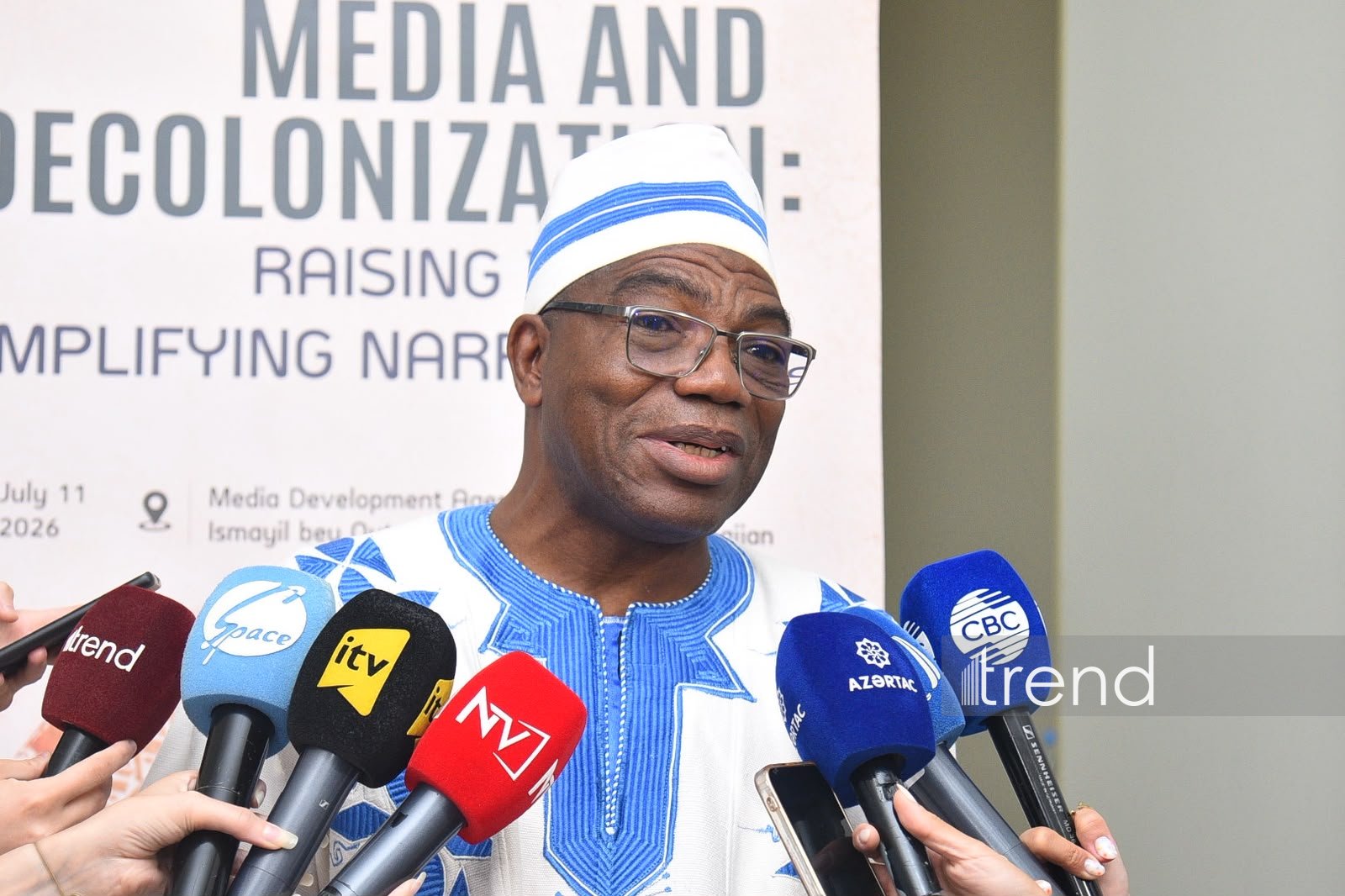
A representative from Burkina Faso has emphasized the critical need for a struggle towards the decolonization of media. This call highlights concerns about the current media landscape and its potential biases or influences. The representative's statement suggests that existing media structures may still reflect colonial-era perspectives or power dynamics. Therefore, a concerted effort is required to reshape media narratives and ownership. This decolonization process aims to ensure more diverse and equitable representation in global media. It also seeks to challenge dominant narratives that may marginalize certain voices or perspectives. The initiative calls for a fundamental shift in how media is produced, consumed, and controlled. Ultimately, the goal is to foster a media environment that is truly independent and representative of all communities.
The call for media decolonization points to ongoing systemic challenges in global information dissemination. Historical power imbalances, often rooted in colonial legacies, continue to influence media narratives and ownership structures. This can lead to a perpetuation of dominant viewpoints, potentially marginalizing diverse perspectives. Addressing this requires a multi-faceted approach, including fostering local media capacity, promoting digital literacy, and encouraging critical consumption of information. The long-term implications involve a more equitable global discourse, where a wider range of voices can contribute to shaping public understanding and policy debates. Navigating this transition involves balancing the need for diverse representation with the realities of global media economics and technological access.
AI-generated to prompt reflection — not editorial opinion, not advice, not a statement of fact. How this works.