Decomposing Body Waits Nearly Three Days for Medical Examiner in Barra do Corda Cemetery
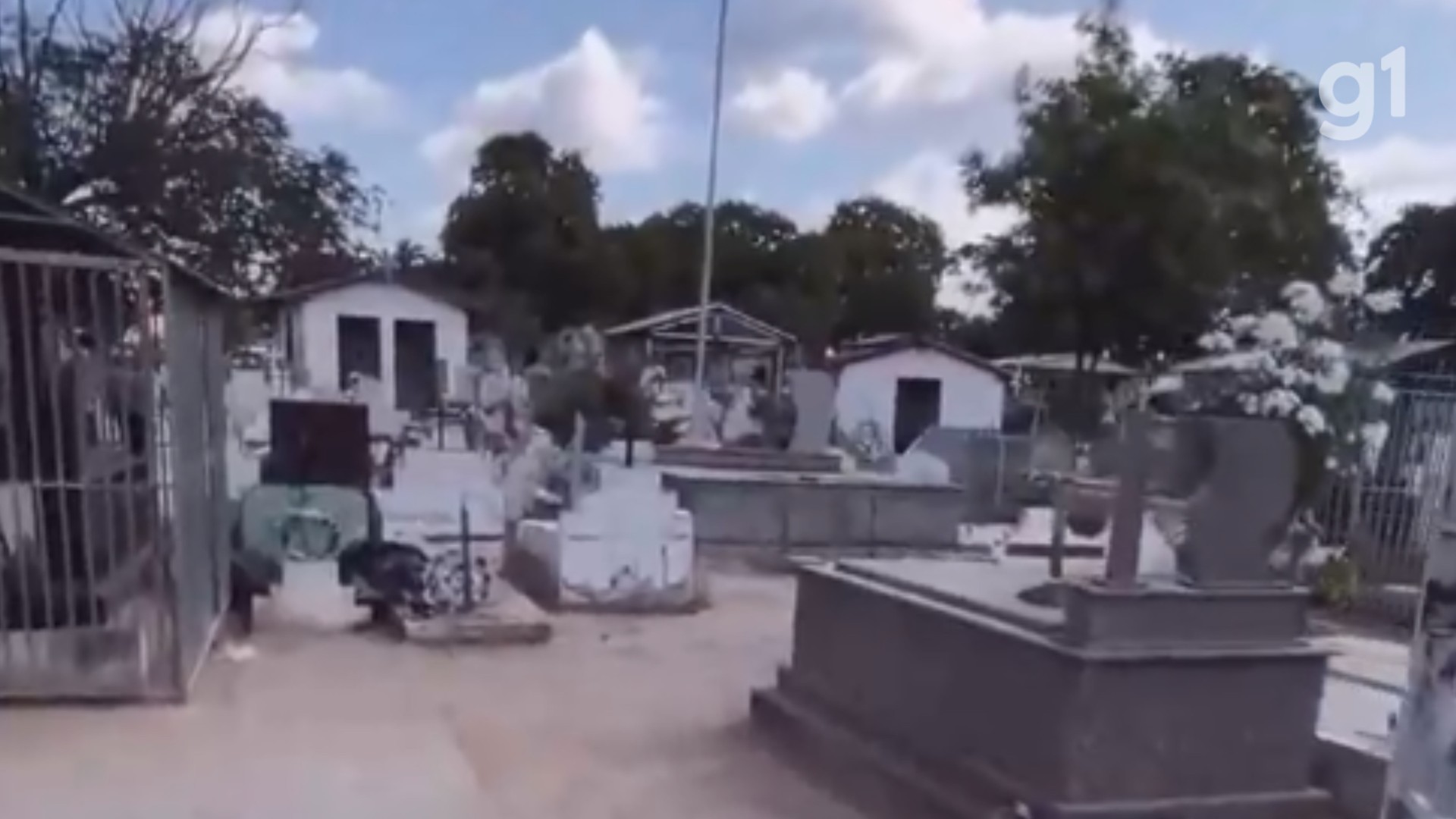
A decomposing body has been left at the municipal cemetery in Barra do Corda, Maranhão, for nearly three days, awaiting collection by the Institute of Legal Medicine (IML). The body was discovered on Friday, November 10th, in a wooded area of the city, approximately 346 km from São Luís. Civil Police officers, accompanied by a funeral service company contracted by the police, were informed of the discovery and proceeded to the scene. The body was initially taken to an Urgent Care Unit (UPA) which registered the case due to the advanced state of decomposition. However, the UPA determined it could not store the body. Consequently, the funeral home, following instructions from the Civil Police, returned the body to the municipal cemetery. The family reportedly lacks the financial means for the burial and is awaiting the IML's arrival for legal procedures. The Civil Police of Maranhão stated they were unaware of any authorization for the body to be left at the cemetery, asserting it should have remained at the UPA until the IML arrived. The IML is located in Timon, approximately 430 km from São Luís. As of the latest update, neither the Maranhão State Government nor the Barra do Corda City Hall had issued statements on the matter.
This situation highlights significant logistical and resource challenges within the public administration of Barra do Corda and the broader Maranhão region. The prolonged delay in the collection of a decomposing body points to potential systemic failures in inter-agency coordination between law enforcement, healthcare facilities, and the medical examiner's office, exacerbated by extreme geographical distances. The lack of a suitable temporary holding facility, coupled with the financial constraints of the deceased's family, creates a complex humanitarian issue. Moving forward, establishing clear protocols for handling such cases, potentially involving regionalized IML services or enhanced cold storage capacity at local UPA facilities, could prevent similar indignities and ensure timely, respectful processing of deceased individuals. This incident underscores the need for robust public health infrastructure that can respond effectively to the basic needs of citizens, even in remote areas.
AI-generated to prompt reflection — not editorial opinion, not advice, not a statement of fact. How this works.