Decorating Walls with Porcelain Plates: A Tradition Over 1000 Years Old
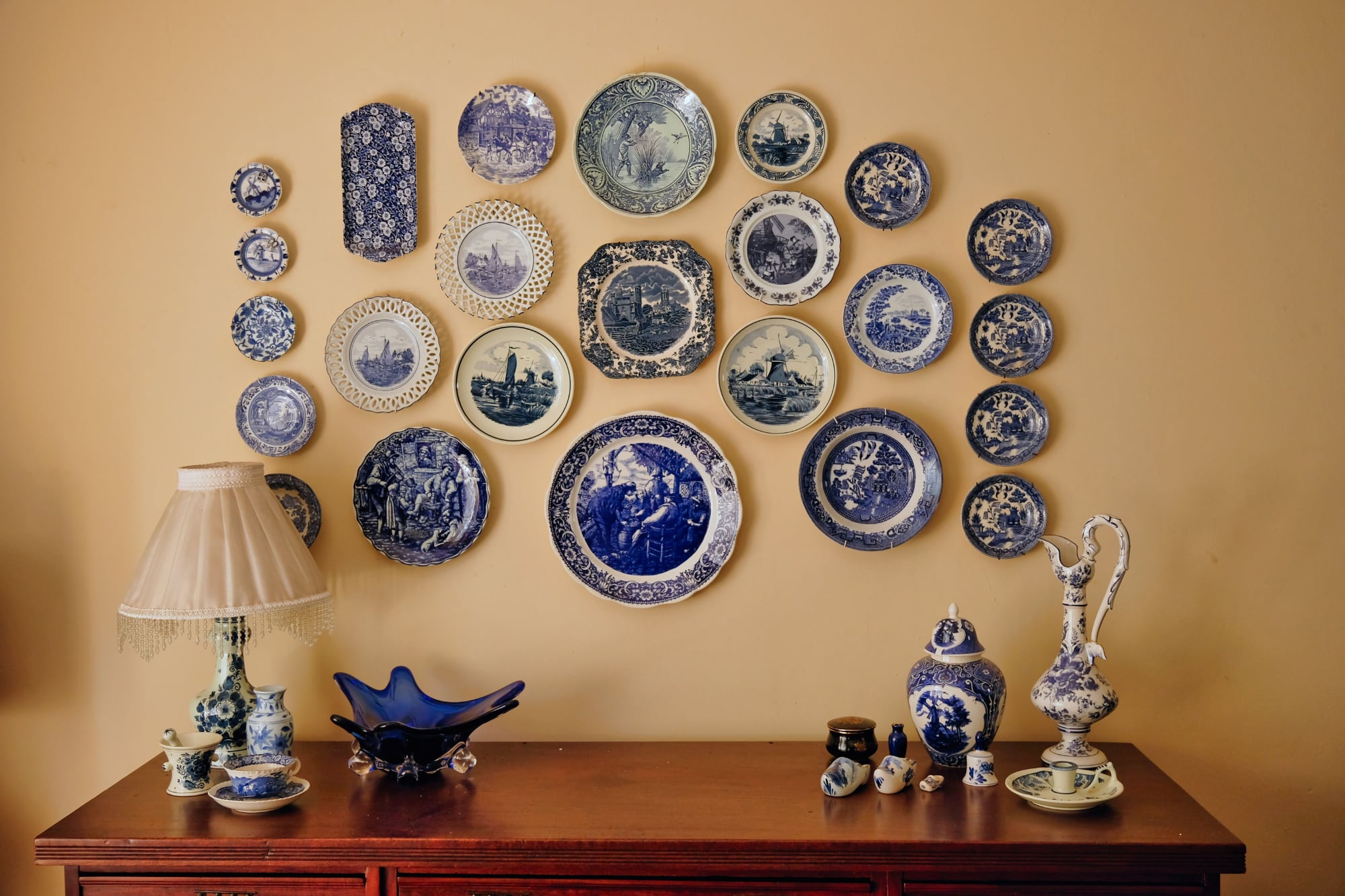
The practice of hanging plates on walls as decoration is not a recent invention, nor did it originate in Argentina. This tradition boasts a history stretching back over a millennium, originating in Europe. In its European context, displaying plates on walls served as a significant symbol of social status. The custom was introduced to Argentina much later, specifically during the 20th century, with the arrival of European immigrants. These immigrants brought their cultural practices with them, including the decorative use of porcelain plates on interior walls. Therefore, what might seem like a contemporary decorative trend in Argentina is, in fact, a deeply rooted historical practice with European origins.
The historical display of porcelain plates on walls, originating in Europe over a thousand years ago as a status symbol, highlights how cultural practices evolve and migrate. Its introduction to Argentina via 20th-century immigration demonstrates the enduring influence of cultural exchange. This practice, now often viewed through a modern aesthetic lens, reflects a lineage of social signaling and domestic adornment. Understanding its historical context allows for a deeper appreciation of how everyday objects can carry complex cultural and economic meanings across generations and geographies, prompting reflection on how contemporary societies continue to use material culture to express identity and status.
AI-generated to prompt reflection — not editorial opinion, not advice, not a statement of fact. How this works.