Deepfakes Reshape Teen Internet Use as AI Advances
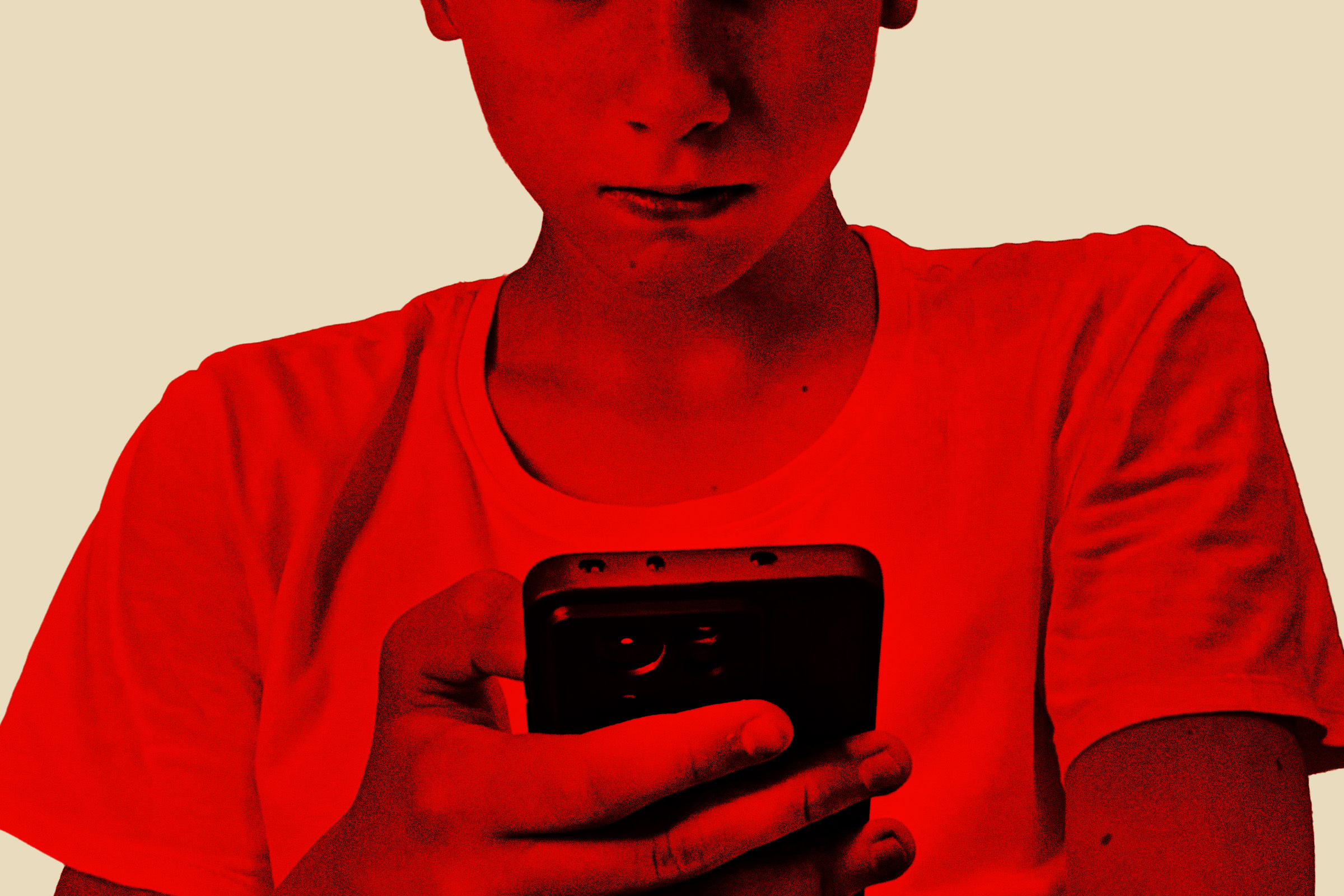
Teenagers are experiencing a fundamental shift in their internet usage due to the increasing prevalence of deepfake technology. Those who have grown up alongside artificial intelligence feel a disconnect with older generations, who they believe do not grasp the sophistication and intensity of current AI capabilities. This generational gap highlights how deeply integrated AI and its associated technologies, like deepfakes, have become in the lives of young people. Their formative experiences are intertwined with the rapid evolution of AI, shaping their understanding and interaction with the digital world in ways that differ significantly from previous generations. The article suggests that this unique life experience, shaped by AI's growth, influences how teenagers navigate online spaces and perceive digital content.
The rapid advancement of deepfake technology presents a significant challenge to digital literacy and trust, particularly for younger generations who are more immersed in AI-driven environments. As AI capabilities proliferate, the distinction between authentic and fabricated content becomes increasingly blurred, necessitating new frameworks for critical evaluation. This evolving landscape prompts consideration of how educational systems and platform governance can adapt to equip users, especially adolescents, with the tools to discern reality in an increasingly synthetic media environment. The long-term societal implications of widespread deepfakes, including their impact on interpersonal relationships and public discourse, warrant ongoing scrutiny and proactive policy development.
AI-generated to prompt reflection — not editorial opinion, not advice, not a statement of fact. How this works.