Defective Clothes Find New Life at Reekom Factory in La Courneuve
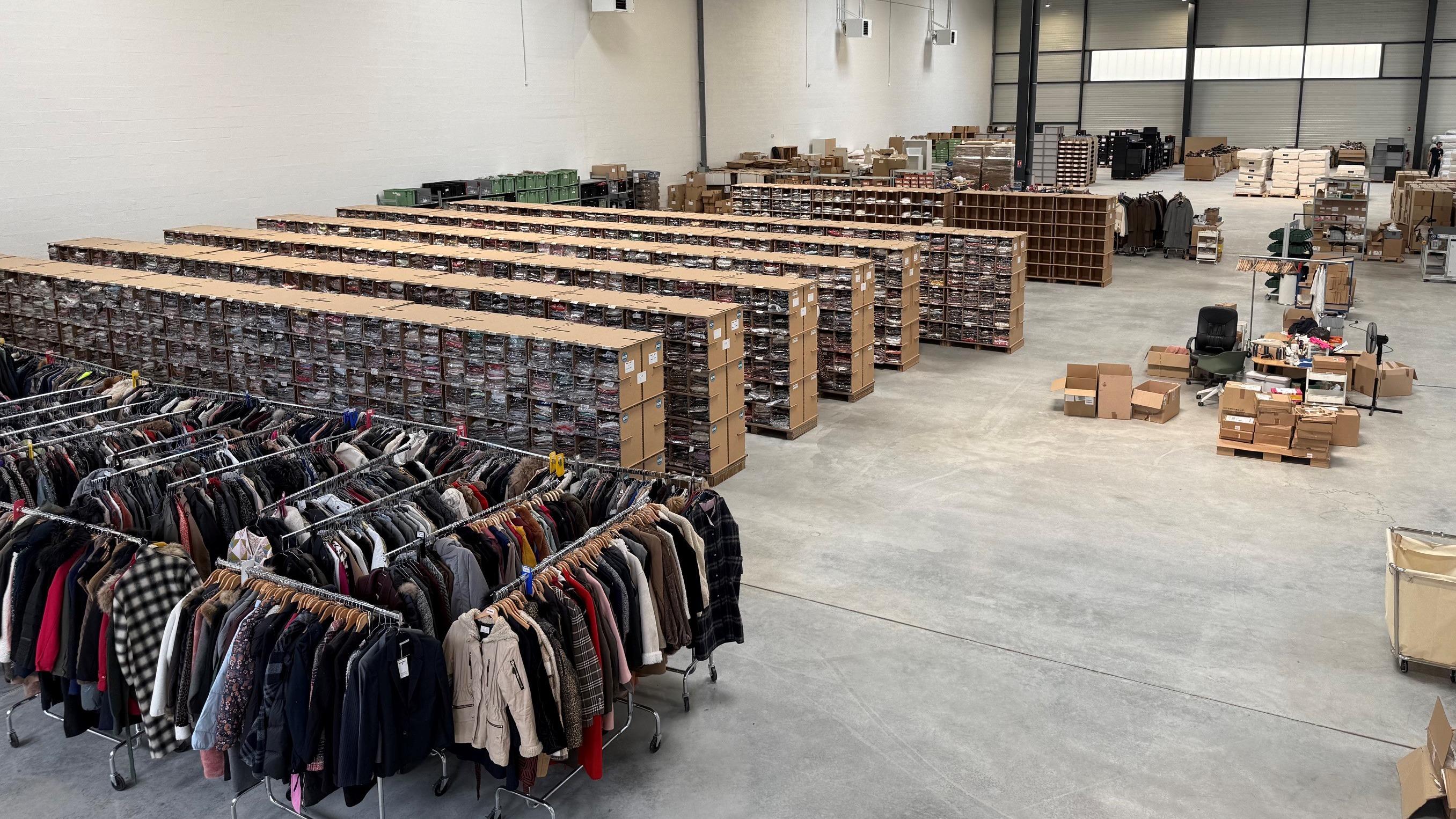
Starting July 19, major European companies are prohibited from destroying unsold textiles and footwear. In response to this new regulation, the Reekom factory, located near Paris in La Courneuve, has specialized in revaluing defective garments. Previously considered waste, these items are now being given a second life and reintroduced into the market. This initiative addresses the growing concern over textile waste and promotes a circular economy within the fashion industry. Reekom's process focuses on repairing and refurbishing items that would have otherwise been discarded, offering a sustainable alternative for brands facing new environmental mandates. The company aims to reduce the environmental impact of the fashion sector by transforming problematic inventory into marketable products. This shift in practice is crucial for European businesses needing to comply with the EU's anti-waste directives.
The European Union's directive prohibiting the destruction of unsold textiles and footwear, effective July 19, fundamentally alters the economic incentives for fashion brands. Companies like Reekom are positioned to capitalize on this regulatory shift by offering specialized services for the reprocessing of defective goods. This development reflects a broader trend towards Extended Producer Responsibility, compelling businesses to internalize the environmental costs of their products. The success of such revaluation initiatives will depend on efficient logistics, scalable repair technologies, and consumer acceptance of refurbished items, potentially reshaping supply chain management and product lifecycle considerations in the coming decade.
AI-generated to prompt reflection — not editorial opinion, not advice, not a statement of fact. How this works.