Defendant's Lawyer Claims Property Purchase Near Judge's Home Was Coincidence
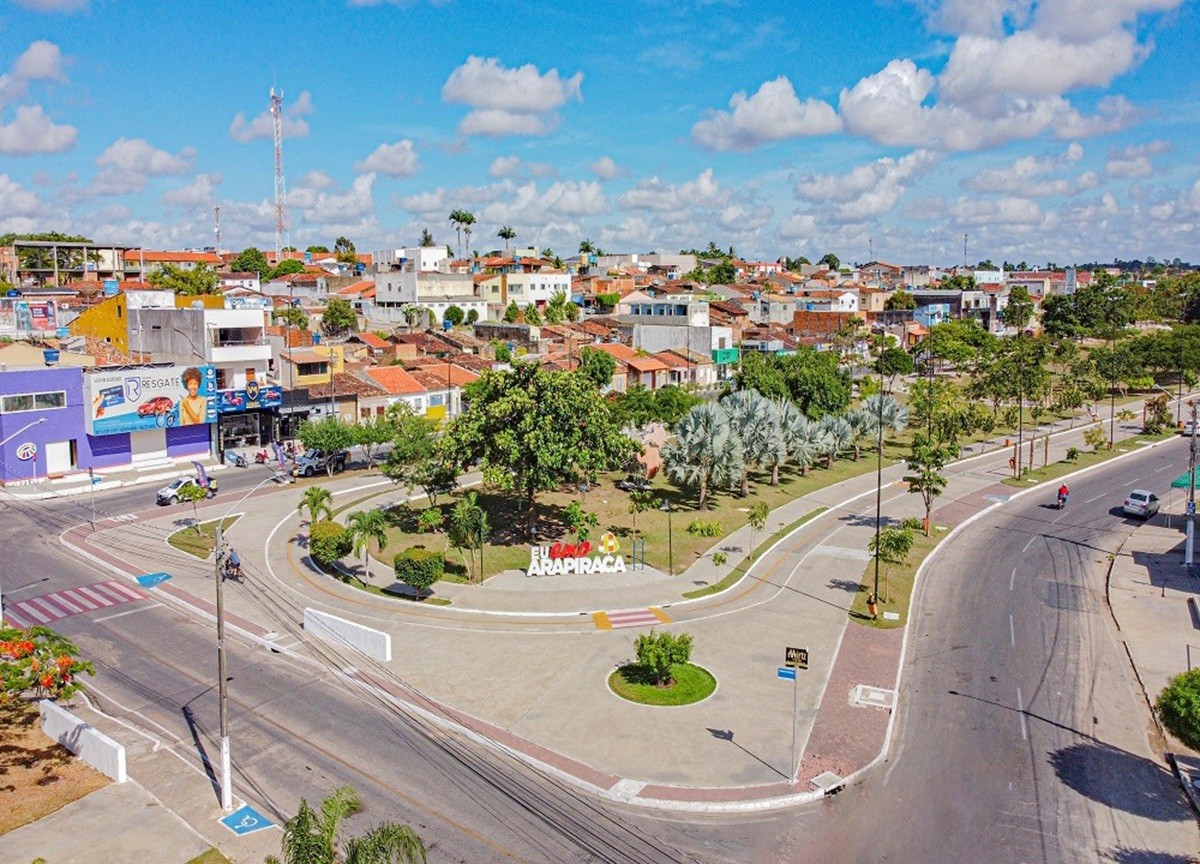
The defense team for Paulo Augusto de Lima Vieira, who is accused of involvement in two attempted homicides, has stated that his purchase of a property directly across from the judge's residence was an "unfortunate coincidence." According to his lawyer, Raimundo Palmeira, Vieira was unaware that the judge presiding over his case, Elielson dos Santos Pereira, lived in the same condominium in Arapiraca, Alagoas. The judicial decision noting this acquisition was published on July 22. Judge Pereira had expressed concern that the purchase might have been an attempt to establish personal contact. Palmeira vehemently denied any such intention, calling it a "regrettable misunderstanding" and emphasizing that Vieira had no way of knowing the judge's whereabouts in Arapiraca. The defense explained that Vieira has business interests in the city and intended to use the house for his wife and young children, who attend school in nearby towns but were potentially going to transfer to Arapiraca. Vieira reportedly stayed at the property briefly with his children but ceased visiting once he learned of the judge's presence, following his lawyers' advice. Furthermore, the defense refuted allegations that Vieira violated his court-ordered precautionary measures, asserting he attended all required periodic appearances and had permission to be away from his primary residence for up to eight days without prior notification. The defense also contested Vieira's alleged participation in the attempted homicides, claiming existing testimony would exonerate him. The Public Prosecutor's Office requested Vieira's pre-trial detention, a request initially not ruled upon by the first-instance judge. Due to an ongoing appeal, the case has been forwarded to the Alagoas Court of Justice for a ruling by Judge Tutmés Airan de Albuquerque Melo. The defense has provided its explanations regarding the property purchase and views the judge's decision to escalate the matter to the court as a cautious step. They also suggested, without providing evidence, that the public disclosure of this incident might be politically motivated due to Vieira's father being a local politician.
This situation highlights the critical importance of maintaining judicial impartiality and the perception thereof. The defendant's acquisition of property adjacent to the judge's residence, regardless of intent, creates an optics problem that could undermine public trust in the legal process. While the defense asserts coincidence and denies any attempt at influence, the proximity inherently raises questions about potential pressure or undue familiarity. From a systemic perspective, such events underscore the need for robust protocols to address potential conflicts of interest, even those arising from seemingly coincidental circumstances. Future considerations might include enhanced disclosure requirements for parties involved in legal proceedings concerning property transactions in proximity to judicial officers, or clearer guidelines for judges on how to recuse themselves or escalate such matters when perceived impartiality is compromised, thereby safeguarding the integrity of the justice system against both actual and apparent impropriety.
AI-generated to prompt reflection — not editorial opinion, not advice, not a statement of fact. How this works.