Defense argues accuser's memory of Broome bishop abuse is 'blurred' by alcohol
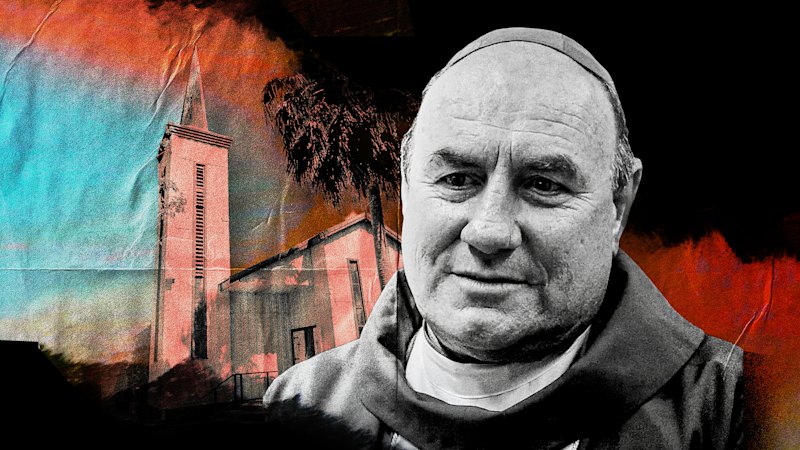
During a court hearing on Thursday, the defense for a former Broome bishop argued that an accuser's memory of alleged abuse might be compromised by decades of alcohol abuse. The complainant, who was 16 at the time of the alleged incidents, claimed the bishop offered him alcohol and cigarettes. The defense lawyer, Tony Hager, highlighted the accuser's continued heavy drinking into adulthood as a factor potentially affecting his recollection of events. The court is examining these claims as part of the legal proceedings against the former bishop.
This case highlights the critical role of memory reliability in legal proceedings, particularly when substance abuse is a factor. The defense's strategy of questioning the accuser's memory due to alcohol consumption introduces a complex evidentiary challenge. Courts must carefully weigh the potential impact of long-term substance abuse on recall against the accuser's testimony. This situation underscores the importance of corroborating evidence and robust legal standards for evaluating testimony in sensitive cases, ensuring a fair process for all parties involved, irrespective of past personal struggles.
AI-generated to prompt reflection — not editorial opinion, not advice, not a statement of fact. How this works.