Defense CEO: Humans Must Retain Control Over AI in Warfare
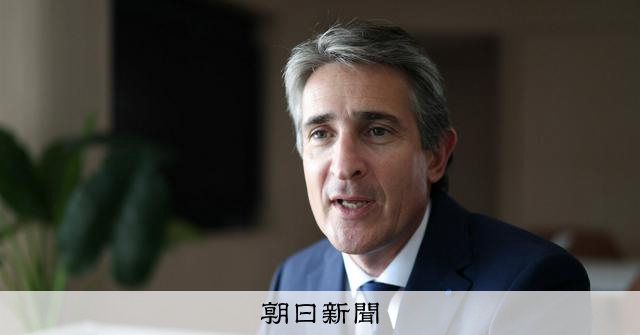
The CEO of a major defense contractor has emphasized that humans must maintain ultimate responsibility for decisions involving the military use of artificial intelligence. In an interview, the executive stressed the critical importance of human oversight in lethal autonomous weapons systems (LAWS). The company is actively developing AI technologies for defense applications, but the CEO stated that the final call on deploying force must always rest with a human operator. This stance addresses growing international concerns about the ethical implications and potential risks of AI in warfare. The defense industry is navigating a complex landscape, balancing technological advancement with the need for robust ethical frameworks and human control. The CEO's comments highlight the ongoing debate about the boundaries of AI autonomy in high-stakes military operations. Ensuring accountability and preventing unintended escalation are key challenges as AI capabilities continue to evolve.
AI's increasing integration into military systems presents a profound governance challenge. While AI can enhance operational efficiency and reduce risks to human soldiers, the delegation of lethal decision-making to machines raises fundamental questions about accountability and the laws of armed conflict. The stated commitment to human oversight reflects an understanding of the significant legal and ethical liabilities associated with fully autonomous weapons. However, the rapid pace of AI development may create pressure to accelerate deployment, potentially testing the resolve of human control mechanisms in real-time operational scenarios. Future frameworks will need to balance the strategic advantages of AI with robust safeguards to prevent unintended consequences and maintain human agency in the gravest of decisions.
AI-generated to prompt reflection — not editorial opinion, not advice, not a statement of fact. How this works.