Dehradun-Rishikesh Highway Project Begins Cutting Over 3000 Trees, Sparking Environmental Outcry
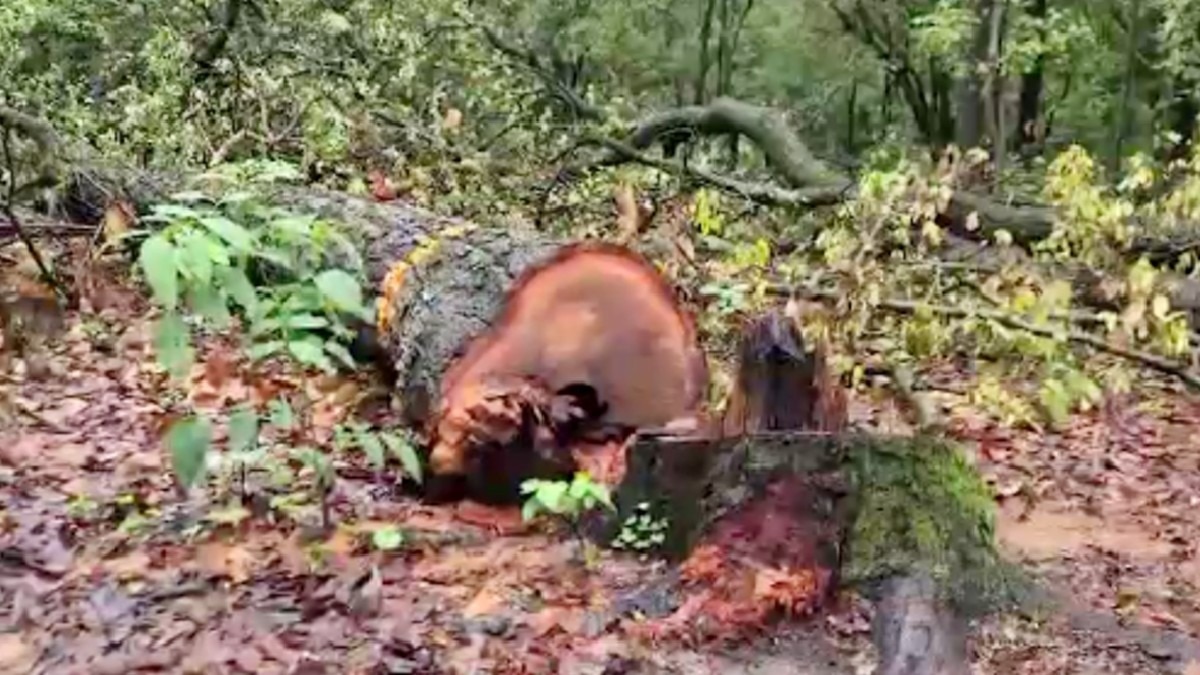
The development of the Dehradun-Rishikesh National Highway in Uttarakhand has ignited a significant conflict between progress and environmental preservation. Over 3000 healthy trees are currently being felled at a rapid pace in the 'Saat Mod' forests. This extensive deforestation is in preparation for the Bhaniawala–Jolly Grant–Rishikesh four-to-six lane project, which includes the construction of flyovers. The commencement of tree cutting has led to strong protests from environmental enthusiasts and concerned citizens.
The initiation of the Dehradun-Rishikesh highway expansion project, involving the felling of over 3000 trees, highlights a recurring tension between infrastructure development and ecological conservation in India. While such projects aim to improve connectivity and potentially stimulate economic activity, the significant environmental cost raises questions about long-term sustainability and the adequacy of current environmental impact assessment and mitigation strategies. Future urban planning will likely need to integrate more robust ecological considerations and explore alternative development pathways that minimize habitat destruction, perhaps through advanced tunneling or elevated road designs where feasible, to balance immediate infrastructure needs with the pressing imperatives of biodiversity preservation and climate resilience.
AI-generated to prompt reflection — not editorial opinion, not advice, not a statement of fact. How this works.