Dehydration to Death: Why Bats Are Particularly Vulnerable to Heat
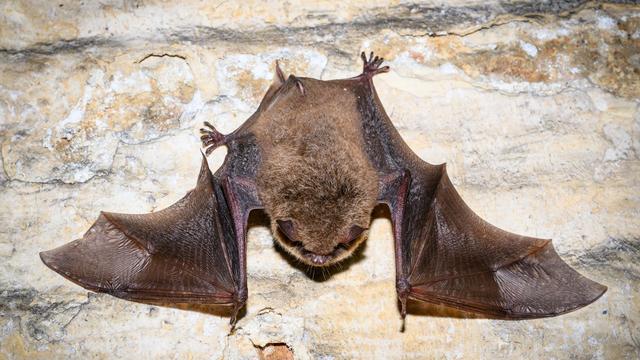
Bats are suffering disproportionately from the current heatwaves, with dehydration leading to death being a significant concern. The extreme temperatures place a considerable strain on these nocturnal mammals, impacting their ability to survive. Their physiology and behavior make them especially susceptible to the adverse effects of rising global temperatures.
This vulnerability stems from several factors inherent to bat biology and ecology. As nocturnal creatures, they are active during the cooler parts of the day and night, and prolonged exposure to intense daytime heat can be fatal. Furthermore, bats often rely on specific water sources that may dry up during droughts exacerbated by heat. Their small body size and high metabolic rate also mean they can lose water more quickly than larger animals. The ongoing climate crisis, characterized by increasingly frequent and severe heat events, poses a serious threat to bat populations worldwide.
The heightened vulnerability of bats to heatwaves underscores a broader ecological challenge posed by climate change. As global temperatures rise, species with specific physiological or behavioral adaptations may face existential threats. The situation highlights the interconnectedness of ecosystems, where the well-being of seemingly small creatures can be indicative of larger environmental shifts. Understanding these sensitivities is crucial for developing targeted conservation strategies that account for future climate scenarios and the potential for cascading effects across food webs.
AI-generated to prompt reflection — not editorial opinion, not advice, not a statement of fact. How this works.