Delayed Vehicle Licensing Becomes Top Traffic Fine in Campinas Region
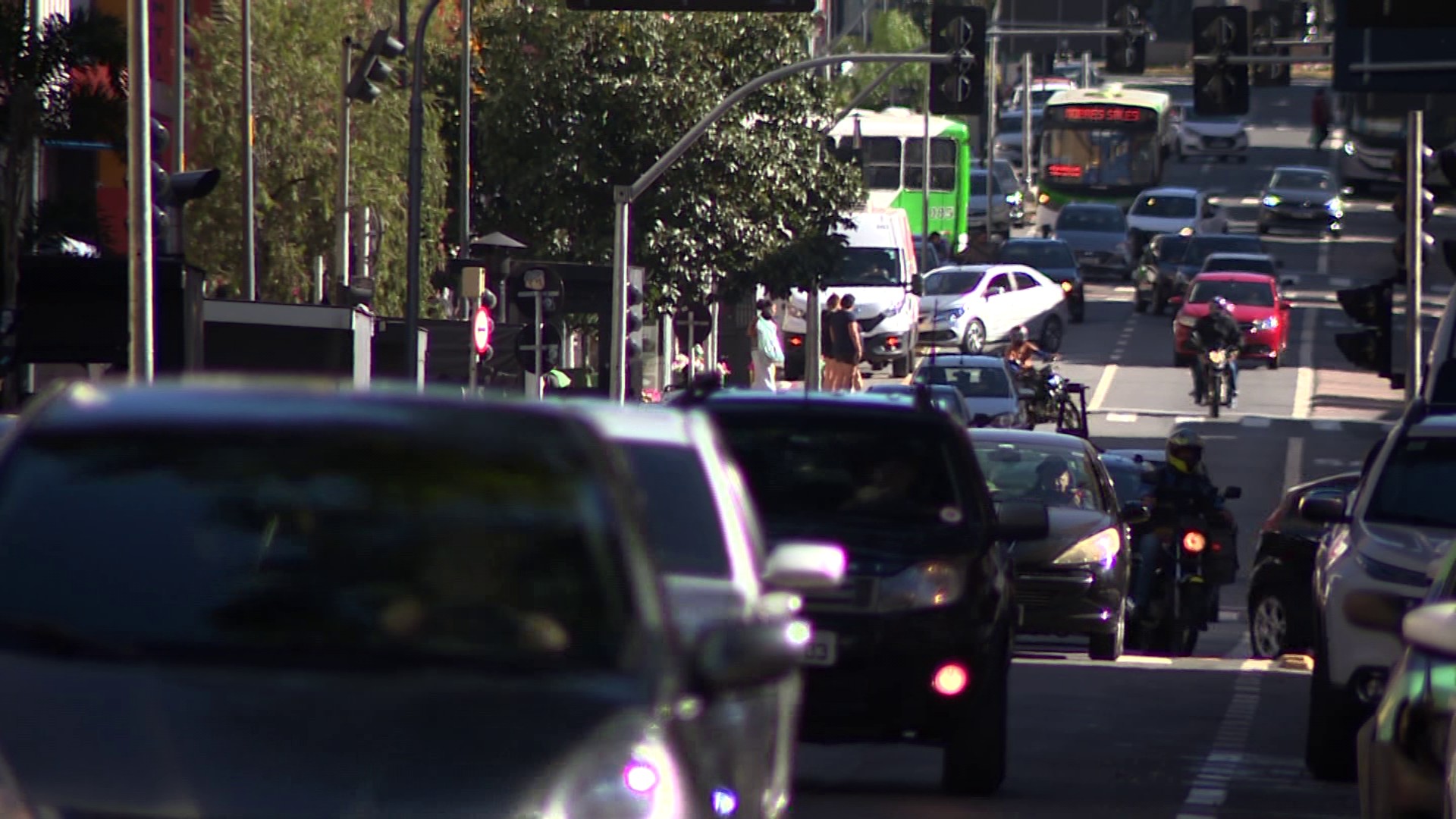
In the first half of 2026, overdue vehicle licensing has surpassed not wearing a seatbelt as the most common traffic violation in the administrative region of Campinas, São Paulo. Data from the State Department of Traffic (Detran) revealed that out of 19,502 citations for the five most frequent offenses, 5,696 were for driving an unlicensed vehicle, while 4,818 were for failing to use a seatbelt. This marks a shift from the same period in 2025, when 24,253 fines were issued, with seatbelt violations leading at 7,157 and unlicensed vehicles at 6,381. Despite becoming the most frequent infraction, unlicensed driving saw a 10.7% decrease in the first half of 2026 compared to the previous year. Driving an unlicensed vehicle is classified as a very serious offense, carrying a R$293.47 fine, seven points on the driver's license, and vehicle impoundment. Traffic law specialist Oswaldo Redaelli Filho explained that the increase in unlicensed vehicle fines is directly linked to unpaid vehicle ownership tax (IPVA). Campinas alone has accumulated R$213.9 million in IPVA debt. Drivers must settle all outstanding debts, including traffic fines and IPVA, before they can renew their vehicle's license. The licensing process can be completed online via the Detran portal, requiring payment of traffic fines, IPVA, the Renavam number, and a R$174.08 fee. The digital vehicle registration document (CRLV-e) can then be downloaded or printed.
The shift in traffic violations highlights a potential systemic issue where drivers prioritize avoiding immediate penalties like seatbelt fines over completing annual licensing requirements, which are tied to broader fiscal obligations like IPVA. This suggests that the financial burden of IPVA, coupled with the administrative process of licensing, may be creating a barrier for some vehicle owners, leading to a rise in this specific, severe infraction. Future policy could explore more integrated, perhaps more accessible, payment and renewal systems that address the root cause of non-compliance, potentially reducing both licensing fines and overall tax delinquency. Examining the economic pressures that lead to IPVA non-payment could offer insights into more sustainable traffic and fiscal management strategies.
AI-generated to prompt reflection — not editorial opinion, not advice, not a statement of fact. How this works.