Delhi High Court Intervenes in Sonam Wangchuk's Hunger Strike Case
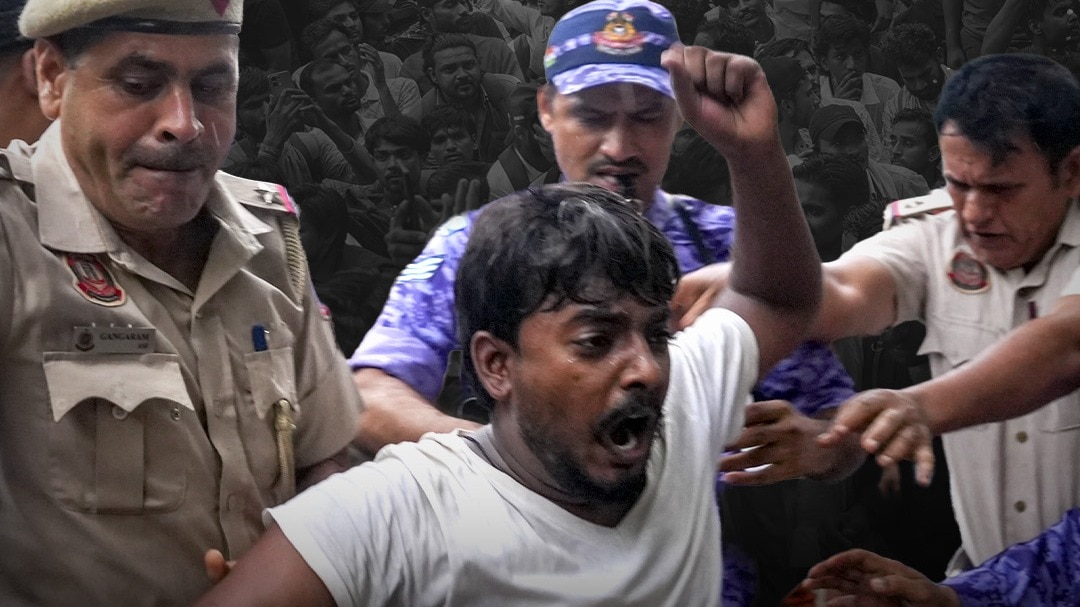
The Delhi High Court has taken up the case of Sonam Wangchuk, who has been on a hunger strike for 23 days. The legal intervention addresses not only concerns about his health but also his constitutional and legal rights. Wangchuk's situation has escalated to a point where his rights are being questioned in court. The administration maintains that Wangchuk is not in custody. However, questions arise regarding why he is being prevented from leaving Safdarjung Hospital. This legal scrutiny aims to clarify Wangchuk's status and ensure his rights are upheld during his protest.
This situation highlights the tension between public protest and administrative control, particularly when a protestor's health is at risk. The legal intervention by the Delhi High Court signals a critical examination of the state's actions and the individual's rights. The core issue revolves around the definition of detention versus voluntary hospitalization and the extent to which authorities can restrict movement, even when claiming no formal custody. This case could set a precedent for how future public health crises intersect with civil liberties during demonstrations, prompting a review of protocols for managing hunger strikes and ensuring due process for protestors, especially in the context of evolving civic engagement in the digital age.
AI-generated to prompt reflection — not editorial opinion, not advice, not a statement of fact. How this works.