Delhi High Court to Deliver Verdict in Rajpal Yadav's Rs 9 Crore Cheque Bounce Case
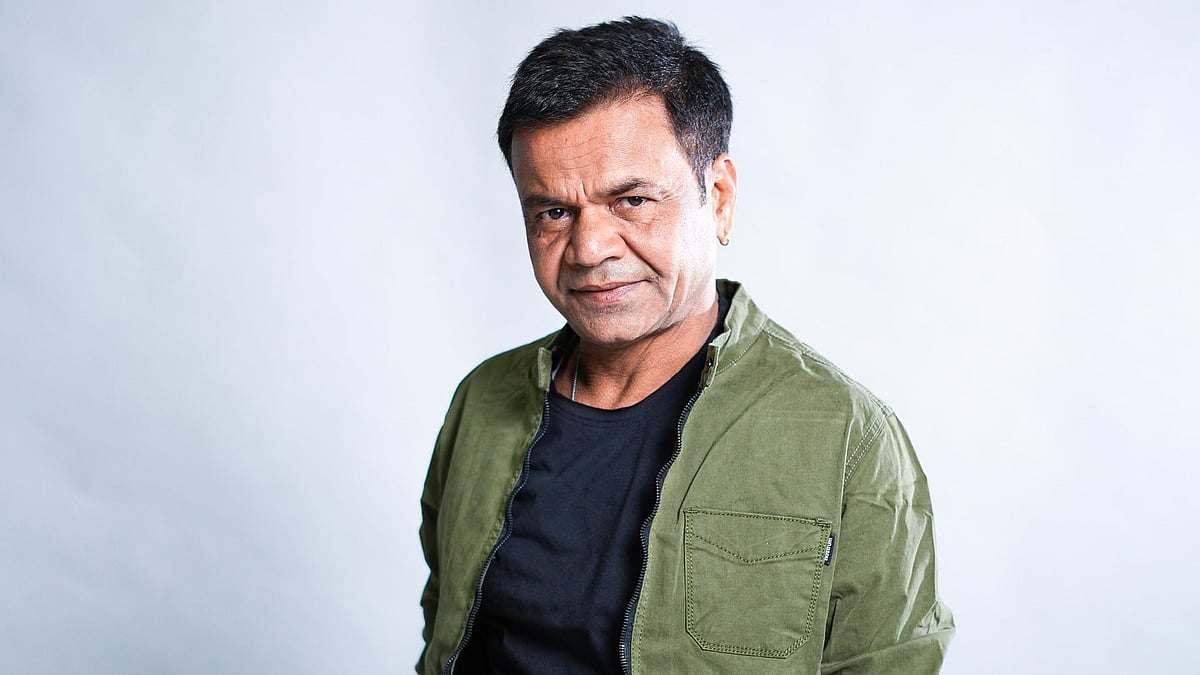
The Delhi High Court is set to announce its verdict today, Friday, in a cheque bounce case involving Bollywood actor Rajpal Yadav, with dues amounting to approximately 9 crore rupees. The actor has already appeared before the court, where Justice Swarna Kanta Sharma will deliver the ruling as per the court's schedule. Previous attempts at a settlement between the parties on April 2nd were unsuccessful, leading the court to postpone the verdict. During a hearing, Rajpal Yadav opposed a settlement proposal, expressing that the case had already caused him significant financial losses, necessitating property sales and substantial payments. The plaintiff's lawyer, Avneet Singh Sikka, argued that Yadav had previously admitted guilt and could not evade financial responsibility, noting that his revision petition in 2024 was filed 1,894 days late without adequate explanation. Despite the court's suggestion for a settlement, Yadav rejected a 6 crore rupee offer from the plaintiff and a subsequent court-proposed structured payment plan of 3 crore rupees within a specific timeframe. Justice Swarna Kanta Sharma cautioned both parties against misinterpreting judicial courtesy as weakness and highlighted the wastage of court time. Yadav's current lawyer, Bhaskar Upadhyay, stated that his client has paid 2.5 crore rupees and argued that previous counsel's errors should not burden the current party. The case originated in 2010 when Yadav borrowed 5 crore rupees from Murli Projects Private Limited for his directorial debut, 'Ata Pata Laapata,' which underperformed at the box office, leading to repayment difficulties and legal action. After seven of his checks bounced, Yadav and his wife Radha Yadav were convicted in April 2018 under Section 138 of the Negotiable Instruments Act and sentenced to six months in jail, a ruling upheld by a sessions court in early 2019. Yadav later filed a revision petition in the Delhi High Court, which in June 2024 temporarily suspended his sentence, contingent on 'bona fide and sincere' efforts to clear dues, which had grown to nearly 9 crore rupees with interest and penalties. Although Yadav deposited 75 lakh rupees in October 2025 and promised to clear the remaining dues by early 2026, many of these commitments were not met. A final plea for a week's extension was dismissed on February 4, 2026, as the court found repeated non-compliance and disrespect for the judicial process. Yadav surrendered to Tihar Jail on February 5th after his lawyer's last-minute proposal for a 25 lakh rupee cheque and a new payment schedule was rejected. He was granted interim bail by the Delhi High Court on February 16th, with Bollywood stars like Salman Khan, Ajay Devgn, Varun Dhawan, and Sonu Sood reportedly offering financial assistance during this crisis.
The legal proceedings surrounding Rajpal Yadav's financial dispute highlight the complexities of contract enforcement and debt recovery within the Indian judicial system. While Mr. Yadav cites significant financial hardship and prior counsel's errors, the court's repeated observations underscore the importance of consistent compliance with judicial directives and timely resolution of financial obligations. The escalating debt from an initial 5 crore rupee loan to nearly 9 crore rupees, compounded by penalties and interest over more than a decade, illustrates the long-term financial consequences of business ventures that fail to meet expectations. The involvement of prominent Bollywood figures in offering financial assistance suggests a potential interplay of personal relationships and industry solidarity, though the core of the matter remains a legal and financial one. Moving forward, the case serves as a case study on the critical need for robust financial planning, transparent contractual agreements, and diligent adherence to legal settlements to avoid protracted and costly litigation that can significantly impact individuals and their professional careers.
AI-generated to prompt reflection — not editorial opinion, not advice, not a statement of fact. How this works.