Delhi Metro Cites Security Concerns, Shuts 16 Stations Amidst Protest
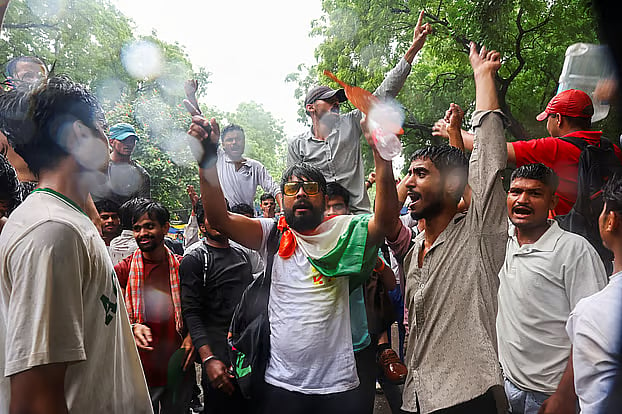
Authorities in India's capital, Delhi, have closed sixteen metro stations on Wednesday morning due to security concerns stemming from an ongoing protest by the Kukuruch Janata Party (CJP) at Jantar Mantar. The Delhi Metro Rail Corporation (DMRC) confirmed the closures, which include prominent stations such as Rajiv Chowk, Central Secretariat, Mandi House, ITO, and Khan Market. In a post on X (formerly Twitter), the DMRC stated that stations including Lok Kalyan Marg, Rajiv Chowk, Patel Chowk, Ramakrishna Ashram Marg, and Barakhamba Road would remain closed until further notice. Additionally, Supreme Court, Shivaji Stadium, Janpath, ITO, Delhi Gate, Indraprastha, Khan Market, Jor Bagh, and Seva Tirtha stations are also affected. Despite the closures, interchange facilities at Rajiv Chowk, Mandi House, and Central Secretariat stations remain operational for passengers. The CJP had called for a march towards Parliament to protest alleged irregularities in examinations. Thousands of people gathered in Central Delhi on Monday for this event, leading to the closure of several metro stations on that day as well. Reports indicate that food ordered online for the protestors is being delivered to Jantar Mantar, though the source of these deliveries is not specified.
The closure of sixteen Delhi Metro stations highlights the significant impact public demonstrations can have on urban infrastructure and daily life. The decision to shut down transit points prioritizes public order and security, a common response by authorities to manage large gatherings and potential disruptions. This event underscores the tension between the right to protest and the need for uninterrupted public services. Looking ahead, cities will increasingly face challenges balancing these competing interests, especially as digital platforms amplify mobilization and crowd dynamics. Effective urban governance will require innovative strategies to facilitate civic expression while minimizing societal friction and ensuring essential services remain accessible.
AI-generated to prompt reflection — not editorial opinion, not advice, not a statement of fact. How this works.