Delhi-NCR Air Quality Deteriorates Despite Recent Rainfall
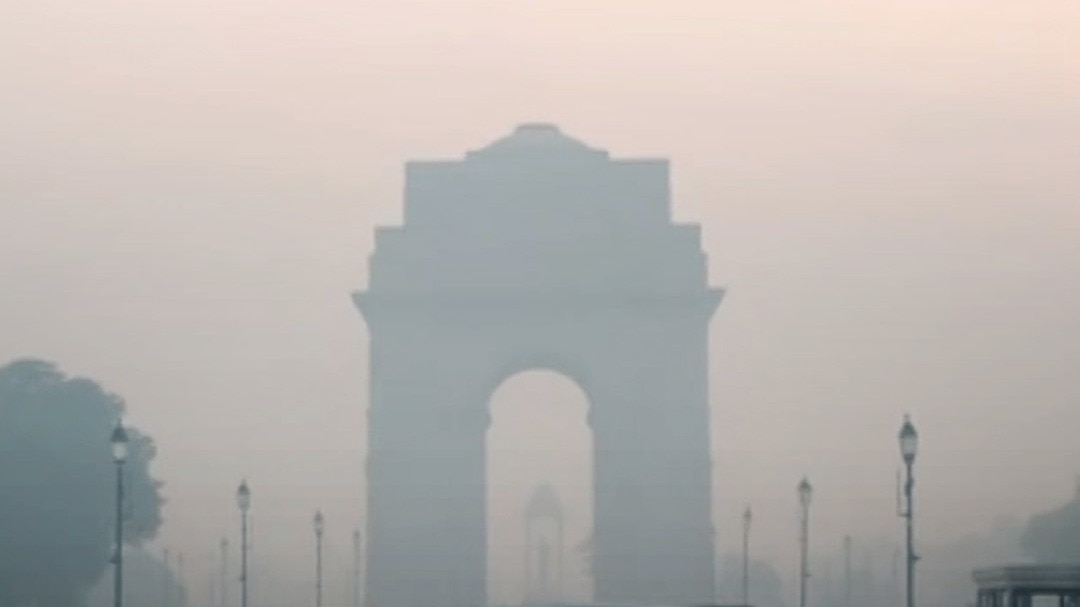
Despite recent rainfall, air quality in Delhi-NCR has once again become a cause for concern, with pollution levels rapidly declining to a poor state. Experts attribute this deterioration to the re-suspension of dust particles in the air once the rain stops. This phenomenon can lead to an increase in respiratory issues for residents, necessitating vigilance. The situation highlights the persistent challenges in maintaining air quality in the region, even with natural interventions like rain. Residents are advised to take precautions as the air quality index shows a significant drop. The return of dust particles poses a threat to public health, particularly for vulnerable groups. Continuous monitoring and effective mitigation strategies remain crucial for addressing the recurring air pollution crisis in Delhi-NCR.
The recurrence of poor air quality in Delhi-NCR following rainfall suggests that while precipitation offers temporary relief, it does not address the underlying sources of particulate matter. The re-suspension of dust indicates that urban infrastructure and environmental conditions are susceptible to rapid degradation once external factors like rain cease. This cycle points to a need for more robust, long-term strategies that focus on emission control and dust suppression, rather than relying on transient weather patterns. Future urban planning and environmental policies should consider the resilience of air quality against such cyclical challenges, particularly in the context of increasing urbanization and potential climate variability.
AI-generated to prompt reflection — not editorial opinion, not advice, not a statement of fact. How this works.