Delhi Police Denies Permission for CJP's Parliament March, Warns of Action
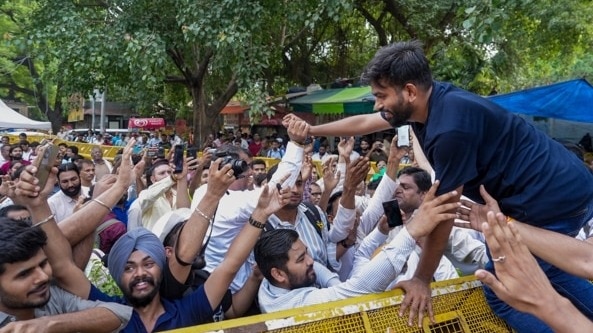
The Delhi Police have stated that no permission has been granted for the proposed march by the Citizens for Justice and Peace (CJP) towards Parliament. Security has been heightened in the New Delhi area in anticipation of the upcoming parliamentary session. The police have issued a warning that action will be taken against anyone found violating the rules or attempting to proceed without authorization. This decision comes as authorities aim to maintain order and prevent any disruptions during the parliamentary proceedings. The CJP had reportedly planned the march to voice certain concerns, but their request for permission was not approved by the police. The heightened security measures are standard procedure before significant parliamentary events to ensure the safety and smooth functioning of the legislative body. The police's firm stance indicates a commitment to enforcing regulations and maintaining public order in sensitive areas.
The Delhi Police's denial of permission for the CJP's parliament march highlights the ongoing tension between civil society's right to protest and the state's responsibility to maintain public order, particularly around sensitive legislative periods. This situation reflects a common governance challenge where authorities must balance security imperatives with democratic freedoms. The police's preemptive warning of action suggests a strategy focused on deterrence, aiming to prevent any unauthorized assembly before it occurs. Looking ahead, such instances underscore the importance of clear communication channels and established protocols for managing public demonstrations, especially concerning parliamentary activities. The underlying dynamic involves navigating the complex interplay of advocacy, public safety, and regulatory frameworks in a democratic society.
AI-generated to prompt reflection — not editorial opinion, not advice, not a statement of fact. How this works.