Delhi Police Denies Permission for Kejriwal's March to PM Residence
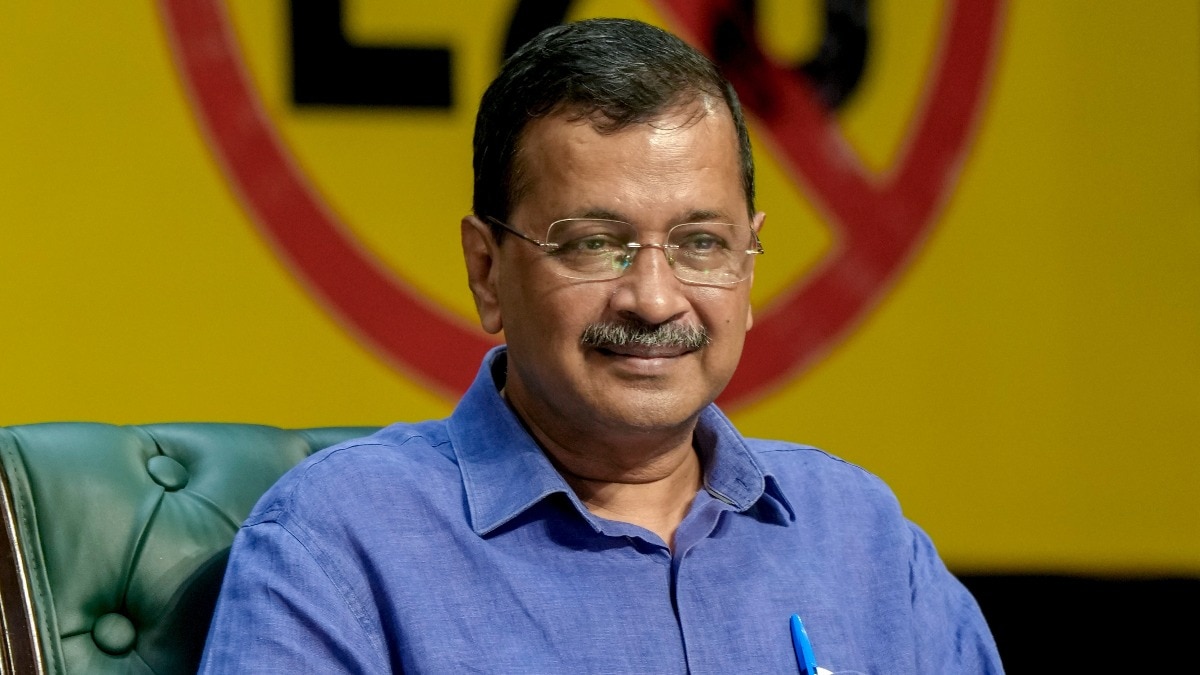
Delhi Police has stated that no permission was requested or granted for the proposed march by Arvind Kejriwal to the Prime Minister's residence. The march was intended to protest against E20 petrol. Police officials clarified that Section 163 of the BNSS is in effect in the capital, which prohibits any marches towards the Prime Minister's residence. Arvind Kejriwal had previously announced his intention to lead a march to the PM's house on Tuesday. The Delhi Police's statement emphasizes the lack of any formal application for permission and the subsequent denial. This action comes amid ongoing discussions and concerns regarding the E20 fuel blend.
The denial of permission for the protest march highlights the existing regulatory framework and security protocols surrounding sensitive government locations in Delhi. The application of Section 163 of the BNSS underscores the authorities' stance on maintaining public order and security, particularly concerning access to the Prime Minister's residence. This situation presents a tension between the right to protest and the need for state security. Future considerations might involve exploring alternative avenues for public expression that comply with regulations, or potentially re-evaluating the existing protocols to accommodate democratic dissent while ensuring safety. The broader context of public engagement with environmental policies like E20 fuel blends suggests a growing need for transparent communication and participatory decision-making processes.
AI-generated to prompt reflection — not editorial opinion, not advice, not a statement of fact. How this works.
