Delhi Prioritizes Electric Vehicle Expansion with Incentives
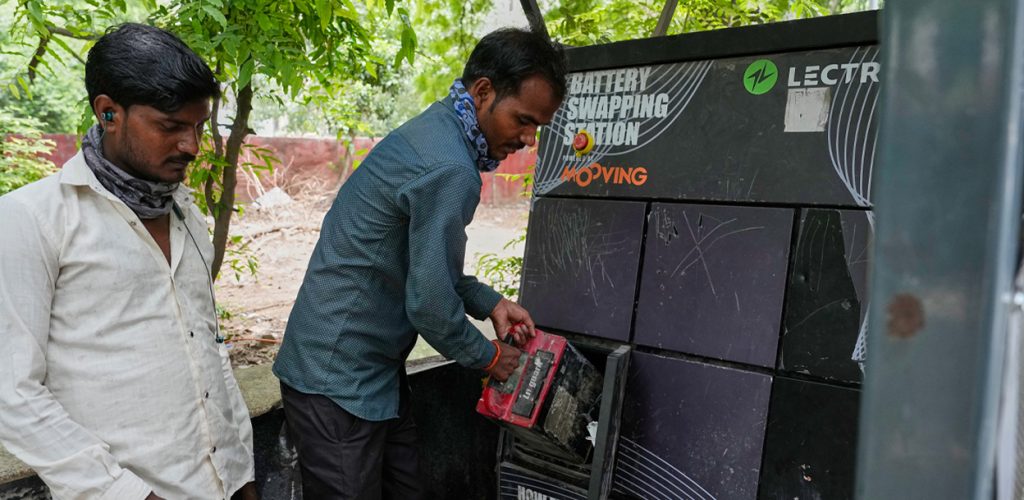
Delhi is emphasizing the expansion of electric vehicles (EVs) through a new policy. Under this policy, consumers who purchase EVs will receive exemptions from registration fees and certain road taxes. This initiative aims to encourage the adoption of electric transportation within the city. The government hopes that these financial incentives will make EVs more accessible and appealing to a wider range of consumers. By reducing the upfront costs associated with EV ownership, Delhi seeks to accelerate the transition away from fossil fuel-powered vehicles. This move is part of a broader strategy to combat air pollution and reduce the city's carbon footprint. The policy is expected to stimulate the local EV market and support the growth of related infrastructure. Further details on the specific types of EVs eligible for these benefits and the duration of the tax exemptions are anticipated.
Delhi's policy to incentivize electric vehicle adoption through registration fee and tax waivers reflects a common governmental strategy to steer markets toward environmental goals. This approach leverages fiscal policy to internalize the positive externalities of reduced emissions, aiming to accelerate a transition that aligns with global decarbonization trends. The effectiveness of such measures often hinges on the scale of the incentives relative to the cost differential between EVs and traditional vehicles, as well as the availability of charging infrastructure. Looking ahead, the long-term success will depend on sustained policy support and technological advancements that continue to drive down EV costs and improve performance, while also considering the broader energy grid's capacity to handle increased demand.
AI-generated to prompt reflection — not editorial opinion, not advice, not a statement of fact. How this works.