Delhi Riots: Former Councillor Tahir Hussain Convicted in IB Officer's Murder
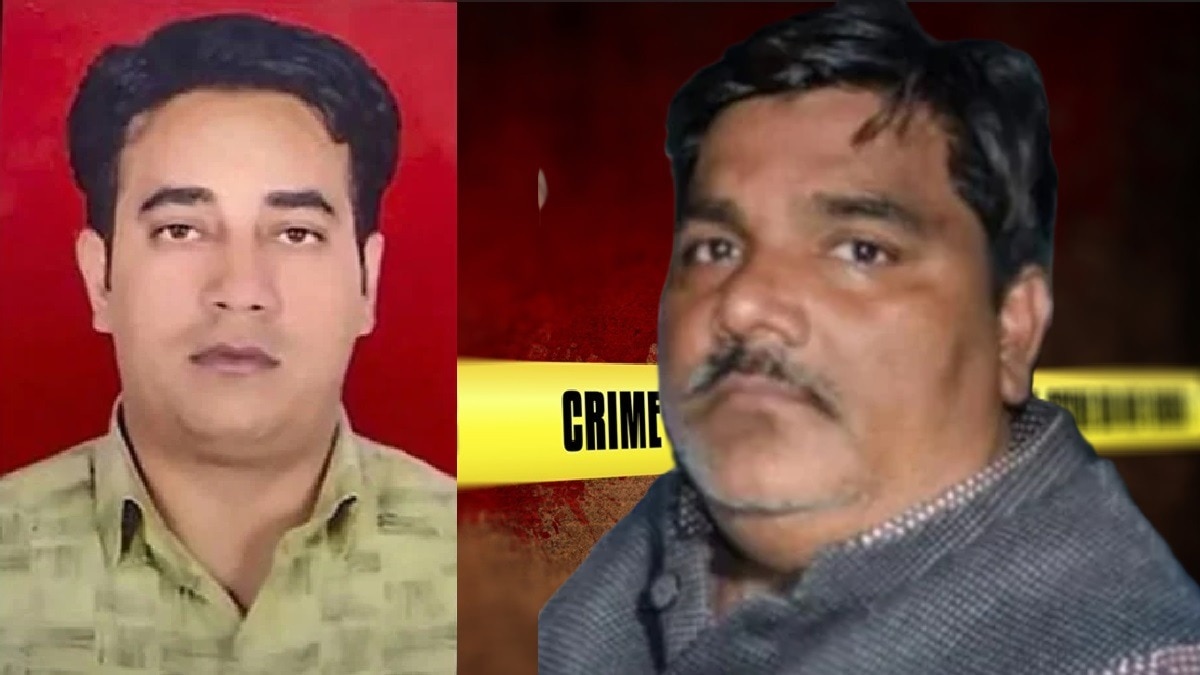
Former municipal councillor Tahir Hussain has been convicted in the murder of Intelligence Bureau (IB) officer Ankit Sharma during the Delhi riots. The conviction comes after a thorough legal process concerning the tragic events that unfolded. Sharma was allegedly killed during the widespread violence that engulfed parts of the capital. The case against Hussain involved charges related to his alleged role in the murder. The court's decision will now determine the sentencing based on the applicable Indian Penal Code (IPC) sections. These include Section 302, which pertains to murder, Section 363, related to kidnapping, and Section 147, concerning rioting. Each of these sections carries specific penalties under Indian law. The sentencing phase will consider the gravity of the offenses and the evidence presented during the trial. This conviction marks a significant development in the pursuit of justice for the victims of the Delhi riots.
The conviction of Tahir Hussain in the murder of IB officer Ankit Sharma underscores the legal system's role in addressing accountability for violence. This case highlights the complex interplay between political figures, public service, and instances of civil unrest. Moving forward, understanding the systemic factors that contribute to such outbreaks of violence, including governance failures and the management of public discourse, will be crucial. The legal ramifications serve as a deterrent, but a comprehensive approach also requires examining community relations and mechanisms for conflict resolution to prevent future tragedies. The long-term implications involve strengthening democratic institutions and ensuring that justice is perceived as equitable and accessible for all citizens.
AI-generated to prompt reflection — not editorial opinion, not advice, not a statement of fact. How this works.