Delhi's Air Quality Plummets After Two Days of Rain, Reaching 85-Day Low
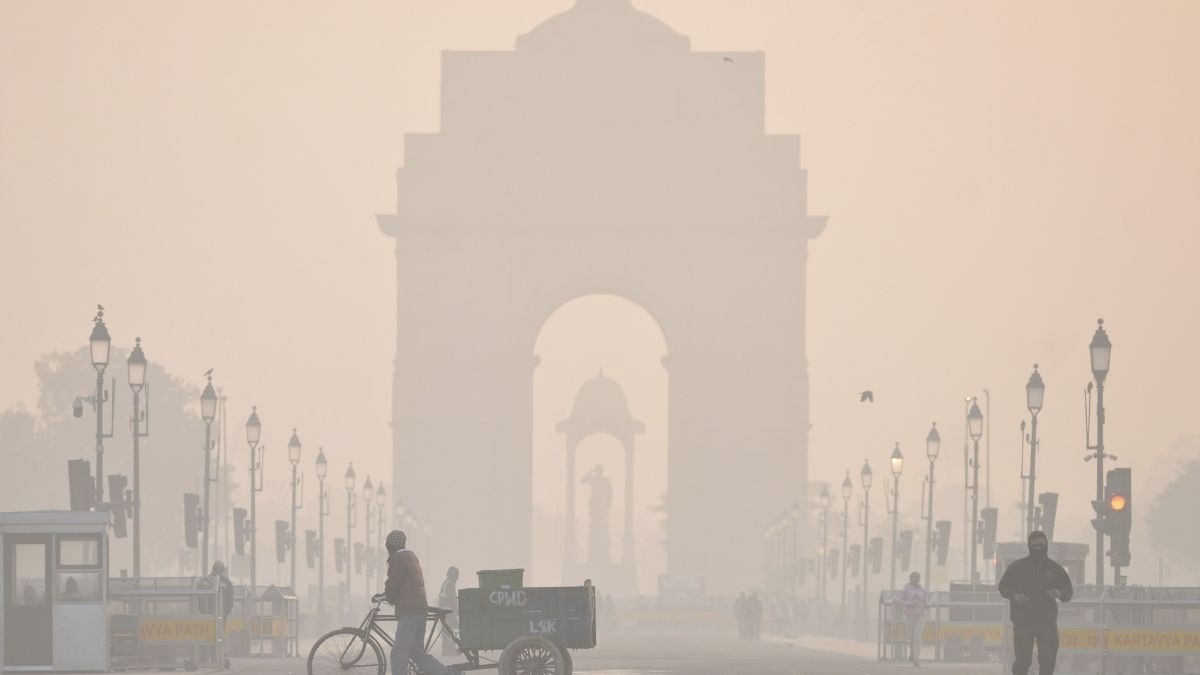
The relief from cleaner air in Delhi, following two days of significant rainfall, proved short-lived. On Sunday, the capital's Air Quality Index (AQI) surged to 261, marking the worst air quality recorded in the past 85 days. This deterioration occurred despite the recent rains, raising questions about the factors contributing to the sudden decline. Investigations into why the air quality worsened rapidly after the downpour are underway. The role of PM10 dust particles in this environmental shift is also being examined. Residents are seeking information on the extent to which meteorological conditions might offer future relief from the smog. The situation highlights the complex interplay between weather patterns and air pollution in the region.
The rapid deterioration of air quality in Delhi following rainfall suggests that while precipitation can offer temporary respite, underlying pollution sources remain significant. The increased PM10 levels indicate that dust and particulate matter, potentially stirred up or inadequately dispersed by the weather system, continue to be a major concern. This event underscores the need for sustained, multi-faceted strategies that address both immediate pollution events and long-term emission controls, rather than relying solely on transient weather phenomena for air quality improvement. Future urban planning and environmental policies must account for the persistent challenge of particulate matter in densely populated areas.
AI-generated to prompt reflection — not editorial opinion, not advice, not a statement of fact. How this works.