Delhi Student Protests Signal Shift in Youth Activism, Challenging Government
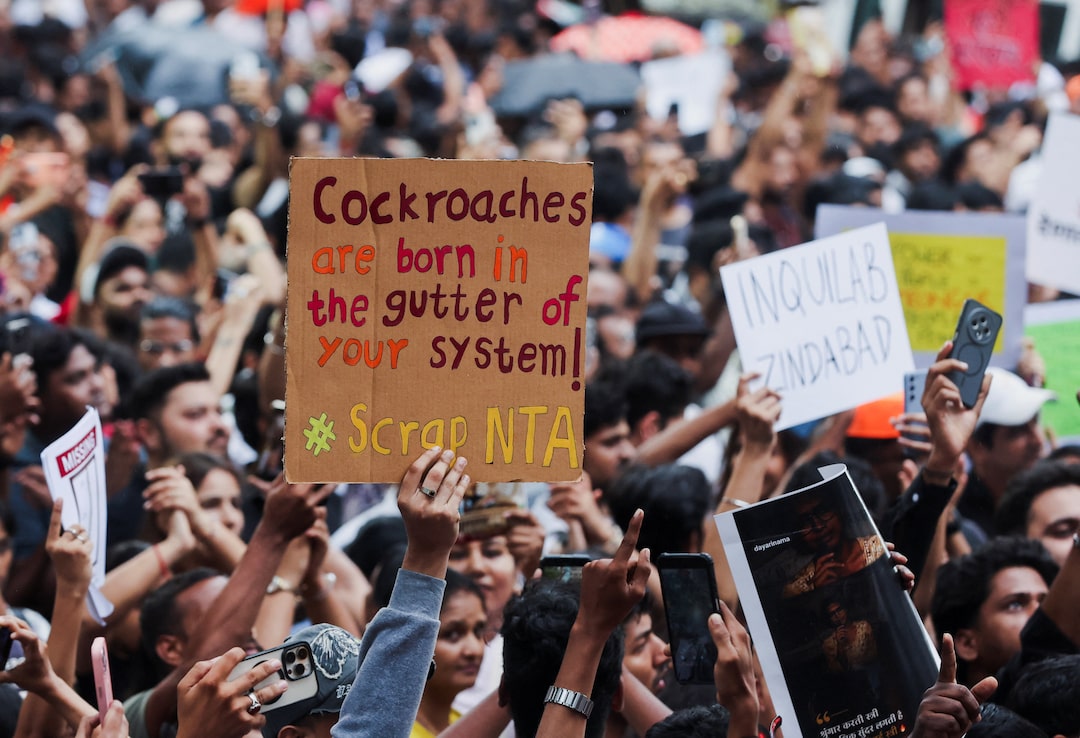
A massive student protest in Delhi represents a significant change in youth engagement, breaking through a perceived climate of fear to assert democratic voices. The demonstrations are seen as a profound shift, indicating that young people are actively reclaiming their agency. This mobilization challenges the established political narrative and suggests a growing assertiveness among students. The protests have reportedly rattled the Modi regime, indicating their perceived impact on the current administration. The scale and nature of the demonstrations suggest a deeper underlying dissatisfaction and a desire for greater political participation. This event marks a moment where the youth are collectively using their democratic platform to express concerns and demand attention. The disruption of a manufactured climate of fear is a key aspect highlighted by observers. The movement signifies a powerful resurgence of student activism in the region.
The student protests in Delhi indicate a potential shift in youth civic engagement, moving beyond traditional apathy to assert democratic participation. This mobilization challenges established power structures by demonstrating the collective power of organized youth, potentially influencing future policy decisions. The event highlights the dynamic interplay between governance and public sentiment, particularly among younger demographics who are increasingly digitally connected and aware of global trends. Future policy considerations may need to address the evolving expectations and demands of this demographic to ensure long-term social and political stability.
AI-generated to prompt reflection — not editorial opinion, not advice, not a statement of fact. How this works.