Delhi Traffic Gridlocked as Protest Closes Metro Stations and Roads
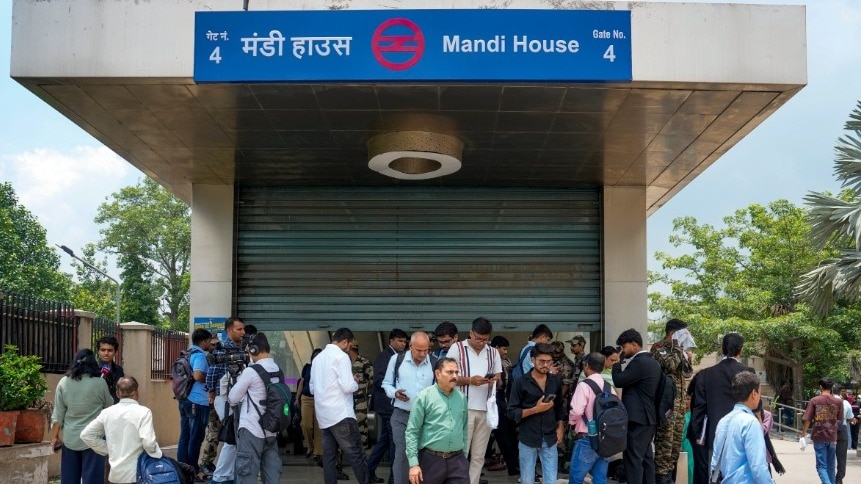
A protest by the 'Cockroach Public Party' at Jantar Mantar caused significant traffic disruptions across major routes in Delhi. Authorities responded by implementing barricades on several roads and closing 17 metro stations. These measures led to considerable delays and increased expenses for commuters. The demonstration aimed to draw attention to the party's cause, though the specific nature of their demands was not detailed in the report. The closures and traffic diversions affected daily life for many residents, highlighting the impact of public demonstrations on urban infrastructure and mobility. The situation underscored the challenges faced by city officials in balancing public assembly rights with the need to maintain essential services and public order.
The event illustrates the inherent tension between the right to public assembly and the operational demands of a major metropolitan area. The closure of 17 metro stations and extensive road barricades, while aimed at managing the protest, imposed significant costs on the general public through lost time and increased travel expenses. This situation prompts consideration of alternative protest management strategies that could mitigate such widespread disruption. Future urban planning might benefit from designated protest zones or advanced traffic management systems that can adapt more dynamically to large-scale events, minimizing impact on essential services and citizen mobility. The long-term implications involve balancing civic expression with the need for uninterrupted urban functionality in an increasingly dense global landscape.
AI-generated to prompt reflection — not editorial opinion, not advice, not a statement of fact. How this works.