Delhi University Admissions: Traditional Top Colleges Drop from Student Preferences
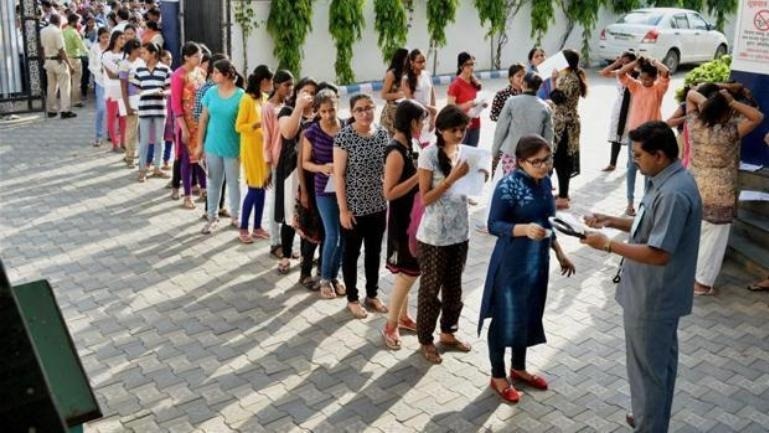
Delhi University's undergraduate admissions have seen a significant shift in student preferences this year, as indicated by the Common Seat Allocation System (CSAS). Traditional top-tier colleges, including Shri Ram College of Commerce (SRCC), St. Stephen's College, and Miranda House, have been notably excluded from the top five choices selected by applicants. This change reflects a broader evolution in how students approach their college applications and prioritize institutions within the DU system. The shift suggests that factors beyond historical prestige may now be influencing student decisions, potentially related to program offerings, campus life, or perceived future opportunities. The CSAS platform allows students to rank their preferred colleges and courses, and the current data reveals a departure from previous admission trends where these specific colleges consistently ranked highest. This development could prompt a re-evaluation of how these established institutions position themselves and attract future student cohorts. The precise reasons for this shift are not detailed but are attributed to evolving student strategies within the admission framework.
The observed shift in student preferences away from historically dominant institutions like SRCC and St. Stephen's within Delhi University's admissions process suggests a potential recalibration of perceived value among prospective undergraduates. This evolution may be driven by a confluence of factors, including the increasing prominence of newer programs, evolving career aspirations that favor specialized fields over general prestige, and perhaps a greater emphasis on holistic campus experiences. As higher education landscapes globally adapt to technological advancements and diverse student needs, traditional institutions may need to strategically enhance their offerings and outreach to remain competitive. This trend highlights the dynamic nature of student choice, influenced by information accessibility and changing societal expectations regarding educational outcomes and institutional relevance in the coming decade.
AI-generated to prompt reflection — not editorial opinion, not advice, not a statement of fact. How this works.