Delta Air Lines to Install 'Finlets' on Boeing 737 Fleet for Fuel Savings
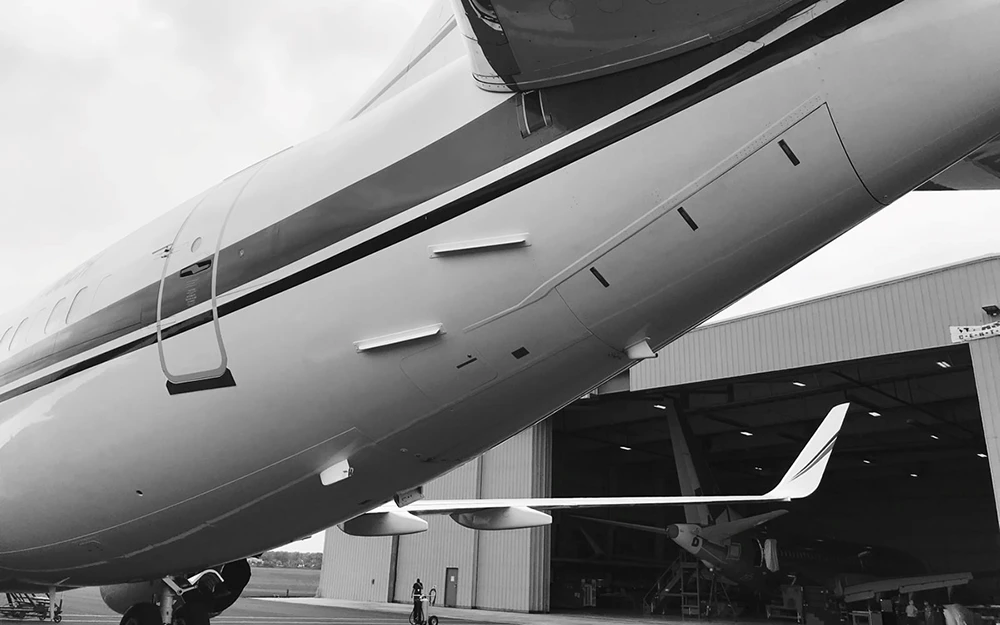
Delta Air Lines is set to install 'finlets' on 240 Boeing 737-800 and -900ER aircraft over the next 18 months. Developed by Vortex Control Technologies (VCT), these finlets are metal strips measuring 64x6.4 centimeters. Their purpose is to redirect airflow over the rear fuselage, thereby reducing turbulence. This aerodynamic improvement is projected to yield a fuel consumption saving of approximately 1.2%. The move follows the widespread adoption of 'winglets,' vertical devices on wingtips that offer a 4-5% fuel saving and have become standard on new aircraft and available as retrofits. The finlets represent a further incremental step in optimizing aircraft efficiency, driven by economic rather than purely environmental motivations. While a 1.2% saving might seem small, its cumulative effect across thousands of flights for a single aircraft becomes significant. Installation is efficient, taking about four hours and 16 man-hours, allowing for integration during overnight maintenance periods without significant operational disruption. Beyond the financial benefits, these fuel savings also translate into reduced carbon emissions, offering a positive impact on atmospheric pollution.
The introduction of 'finlets' exemplifies an ongoing trend in the aviation industry towards incremental efficiency gains, prioritizing economic incentives over radical technological shifts. While winglets offered substantial improvements, finlets represent a further optimization, demonstrating how even minor percentage reductions in fuel consumption can yield significant operational savings when scaled across large fleets and numerous flight cycles. This strategy aligns with the economic realities of airlines, where cost management is paramount. From a systems perspective, this approach highlights a pragmatic, evolutionary path to decarbonization in aviation, focusing on marginal improvements to existing platforms rather than immediate adoption of more complex, unproven technologies like hydrogen propulsion. The efficiency gains, though modest individually, contribute to a broader, albeit slower, reduction in emissions, reflecting a balance between immediate cost pressures and long-term environmental goals.
AI-generated to prompt reflection — not editorial opinion, not advice, not a statement of fact. How this works.