Democracy Institute: Faster Procedures Don't Mean Safer Facilities After Kočani Tragedy
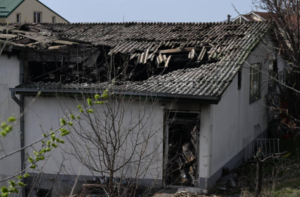
Fifteen months after a tragic incident in Kočani, the Institute for Democracy "Societas Civilis" (IDSCS) in Skopje has assessed that amendments to the Law on Catering Activities have not resulted in a comprehensive reform of the safety system. Instead, the changes primarily focused on streamlining and digitizing administrative procedures. The institute's analysis, titled "Faster Procedures Do Not Mean Safer Catering Facilities: Amendments to the Law on Catering Introduce...", highlights that the legislative updates have not adequately addressed the underlying safety concerns. The IDSCS argues that the emphasis on procedural speed over substantive safety improvements is a critical oversight. This approach risks maintaining vulnerabilities within the system, despite the intention to modernize. The institute is calling for urgent revisions to the law to ensure that public safety is prioritized. The analysis suggests that the current legislative framework may not be sufficient to prevent future incidents. Therefore, immediate action is required to implement more robust safety measures and oversight mechanisms within the catering industry. The institute's findings underscore a gap between administrative efficiency and genuine security enhancements.
The Institute for Democracy's assessment points to a common governance challenge where the digitization and simplification of administrative processes are prioritized over substantive improvements in public safety. This focus on procedural efficiency, while potentially reducing bureaucratic friction, may inadvertently create a false sense of security if critical safety protocols and enforcement mechanisms are not simultaneously strengthened. The analysis suggests a potential systemic contradiction: the pursuit of faster, easier compliance could mask or even exacerbate underlying risks. Moving forward, policymakers should consider how to integrate safety assurance directly into the design of simplified procedures, ensuring that efficiency gains do not come at the expense of public well-being. The long-term implications involve fostering a regulatory environment that demonstrably prioritizes safety, thereby building public trust and resilience against future incidents.
AI-generated to prompt reflection — not editorial opinion, not advice, not a statement of fact. How this works.