Democrat's Senate Hopeful Graham Platner Withdraws Amidst Abuse Allegations
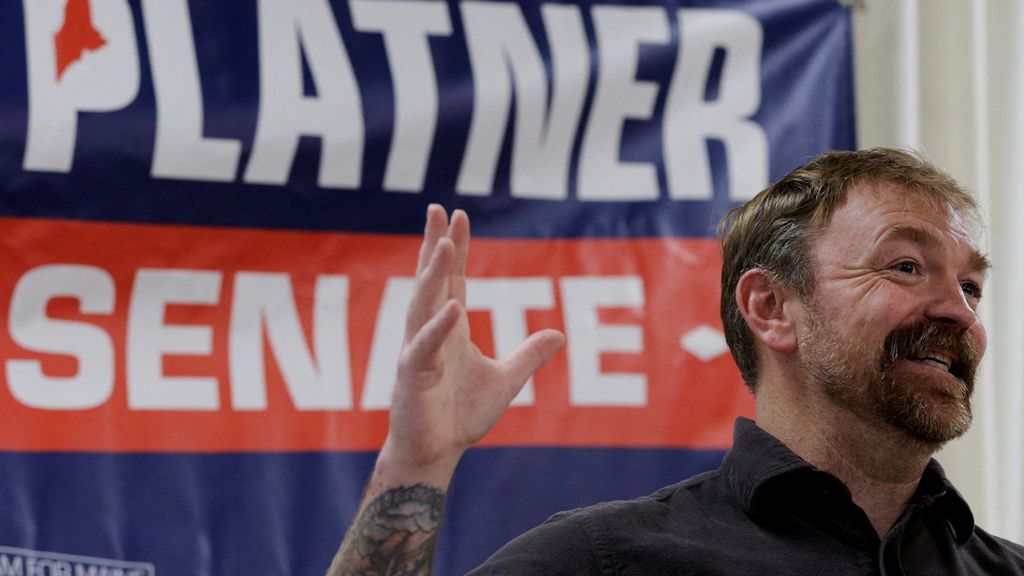
Graham Platner, a rising star in the Democratic Party and a key contender for a U.S. Senate seat in Maine, has withdrawn from the race. Platner's candidacy became untenable after multiple former partners accused him of rape and abuse. Democrats had hoped Platner, a veteran and oyster farmer with a populist message, could unseat Republican Senator Susan Collins, who has represented Maine since 1997. Recent polls had indicated Platner held a slight lead over Collins.
Platner's past controversies surfaced earlier in the campaign in October 2025, when images of a Nazi tattoo and old Reddit posts emerged. In these posts, made between 2013 and 2021, Platner made controversial statements about victims of sexual assault, suggesting they should "take some responsibility and not get so drunk that they have unwanted sex with someone." He attributed these remarks to PTSD from his military service, claiming he had changed through therapy. However, further revelations indicated Platner had sent sexually suggestive messages to six other women during his current marriage.
Despite these issues, Platner secured a decisive victory in the June 10th primaries with 72 percent of the vote. The turning point came when two ex-partners, Jenny Racicot and Lyndsey Fifield, recently accused him of non-consensual sex. Racicot alleged rape while Platner was intoxicated, and Fifield claimed he secretly removed his condom during sex. Platner denies these allegations, calling them politically motivated, but support for his campaign evaporated. Regional and national supporters urged him to withdraw.
Platner suggested that national Democratic Party figures and major donors preferred Collins to win, rather than him becoming Maine's next senator, attributing the pressure to "the establishment." Questions have been raised about the Democratic Party's screening process, with reports suggesting the local party spent only $6,250 on a three-day screening, significantly less than the typical $20,000 cost for a multi-week process. Former Democratic Party chair Jaime Harrison emphasized the need to find and support authentic candidates who do not face such accusations. The Democratic Party now faces a race against time to find a replacement candidate by July 27th, as Maine is considered a crucial state for them to gain Senate seats.
The withdrawal of Graham Platner from the Maine Senate race highlights the complex interplay between candidate vetting, public perception, and political strategy. The revelations about Platner's past, including controversial online statements and allegations of sexual misconduct, raise questions about the thoroughness of the Democratic Party's screening processes and the financial resources allocated to them. While Platner attributes his downfall to establishment pressure, the timing and nature of the accusations suggest a significant risk management failure. The incident underscores the evolving standards of political accountability, where past actions, even those claimed to be from a different personal phase, can have immediate and decisive electoral consequences. Moving forward, parties must balance the desire for charismatic, outsider candidates with robust due diligence to avoid last-minute disruptions that can jeopardize electoral goals and undermine voter trust.
AI-generated to prompt reflection — not editorial opinion, not advice, not a statement of fact. How this works.