Democrata Party Selects Ravenna Castro as Gubernatorial Candidate for Piauí
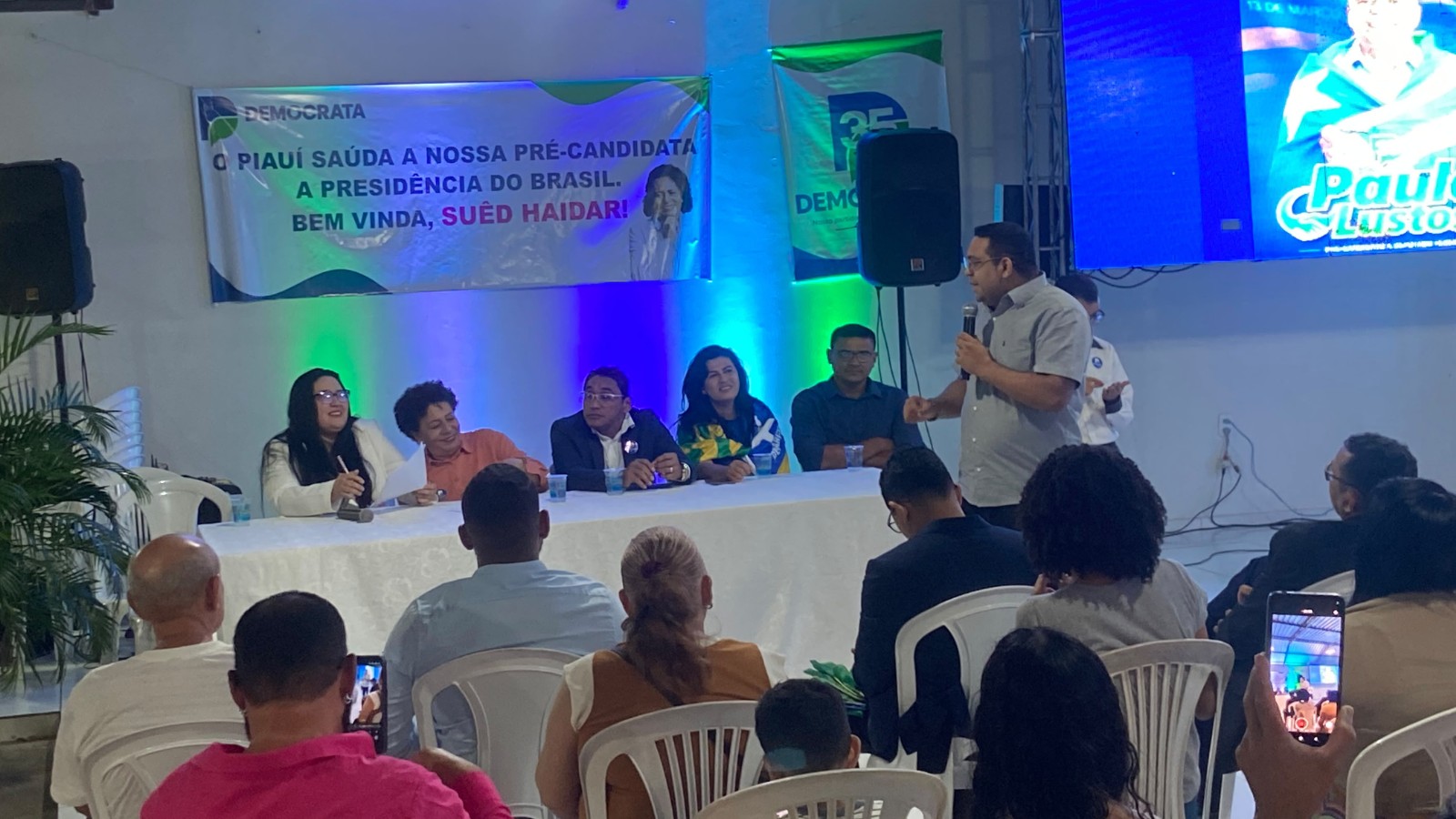
The Democrata party has officially nominated Ravenna Castro as its candidate for governor of Piauí. This decision was formalized during a party convention held on Wednesday, July 29th, in the eastern zone of Teresina. Castro, an attorney, has prior political experience, having previously run for state deputy, Teresina city councilor, and governor. The convention also approved João Ricardo as the vice-gubernatorial candidate, and Missionário Evandro and Jardenya Bezerra as candidates for the Senate. Castro stated that her campaign will focus on offering a "third way" alternative for the people of Piauí, prioritizing key areas such as health, security, education, employment, income, and youth sports. She specifically emphasized a commitment to specialized healthcare, advocating for more dignified and effective care for people with disabilities and atypical families. The deadline for party conventions is August 5th, with candidate registrations at the Superior Electoral Court (TSE) due by August 15th. Official election campaigning will commence on August 16th. This year's general elections on October 4th will include votes for president, governor, two Senate seats per state, federal deputies, and state deputies. Ravenna Castro previously ran for governor in 2022 under the PMN party (now Mobiliza), securing 7th place with 1,167 votes (0.06% of valid votes). Her earlier political endeavors include a bid for state deputy in 2018 and two attempts at a city council seat in Teresina in 2020 and 2024, the latter with the Podemos party.
The nomination of Ravenna Castro by the Democrata party represents a strategic move to position itself as an alternative "third way" in Piauí's gubernatorial race. By focusing on specific social issues like specialized healthcare for disabled and atypical families, Castro aims to carve out a distinct platform appealing to underserved segments of the electorate. This approach acknowledges the growing importance of identity politics and targeted social welfare in contemporary political campaigns. The success of such a strategy will depend on the party's ability to mobilize these niche groups and translate their concerns into broader electoral support, challenging established political dynamics within the state. The candidate's previous electoral history, marked by modest results, suggests a significant uphill battle in gaining traction against more established political forces.
AI-generated to prompt reflection — not editorial opinion, not advice, not a statement of fact. How this works.