Democratic societies thrive on open criticism, unlike totalitarian regimes.
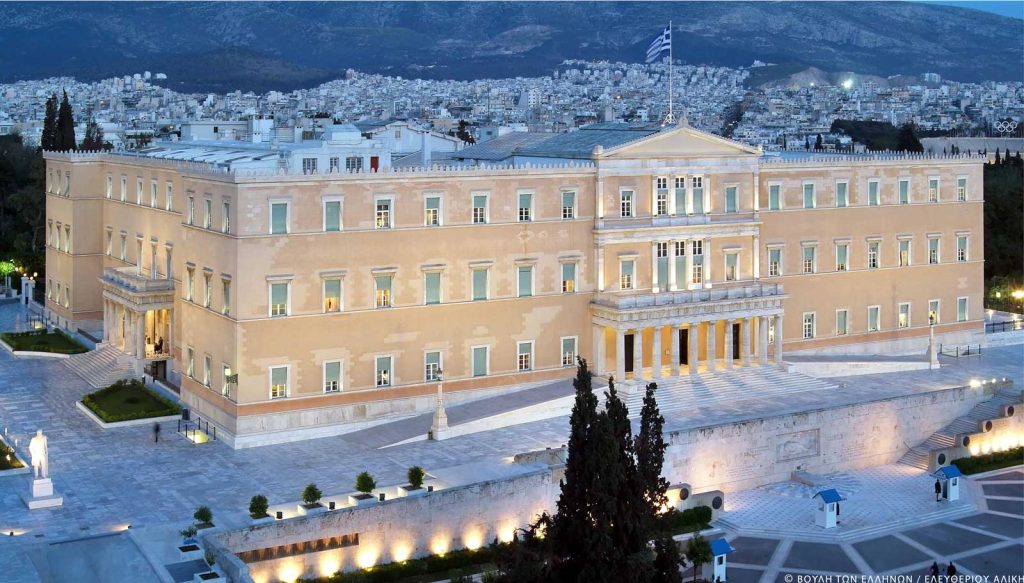
Totalitarian systems often equate the absence of critical commentary with success, particularly when self-censorship due to fear, rather than state censorship, is the cause. In contrast, democratic societies actively encourage speech and the expression of opinions. This encouragement is rooted in the recognition that open discourse and diverse viewpoints are fundamental to a democracy's existence and functioning. The principle of free expression is a core tenet, often enshrined in legal frameworks, underscoring its importance for societal health and progress. Such an environment allows for public scrutiny and debate, which are vital for accountability and informed decision-making. The free flow of ideas, even critical ones, is seen as a strength, enabling societies to adapt and improve.
The article contrasts totalitarianism, where suppressed criticism signifies success, with democracy, where open discourse is foundational. This highlights a core tension in governance: the perceived stability of enforced silence versus the dynamic, albeit sometimes contentious, progress fostered by free expression. In the long term, democratic societies that embrace robust public criticism are better positioned to identify and address systemic flaws, adapt to changing circumstances, and foster innovation. Conversely, systems that prioritize the suppression of dissent risk stagnation and the accumulation of unaddressed problems, ultimately undermining their own resilience and legitimacy in the face of evolving societal and technological landscapes.
AI-generated to prompt reflection — not editorial opinion, not advice, not a statement of fact. How this works.