Democrats Block $1 Trillion US Defense Spending Bill Over Iran Conflict
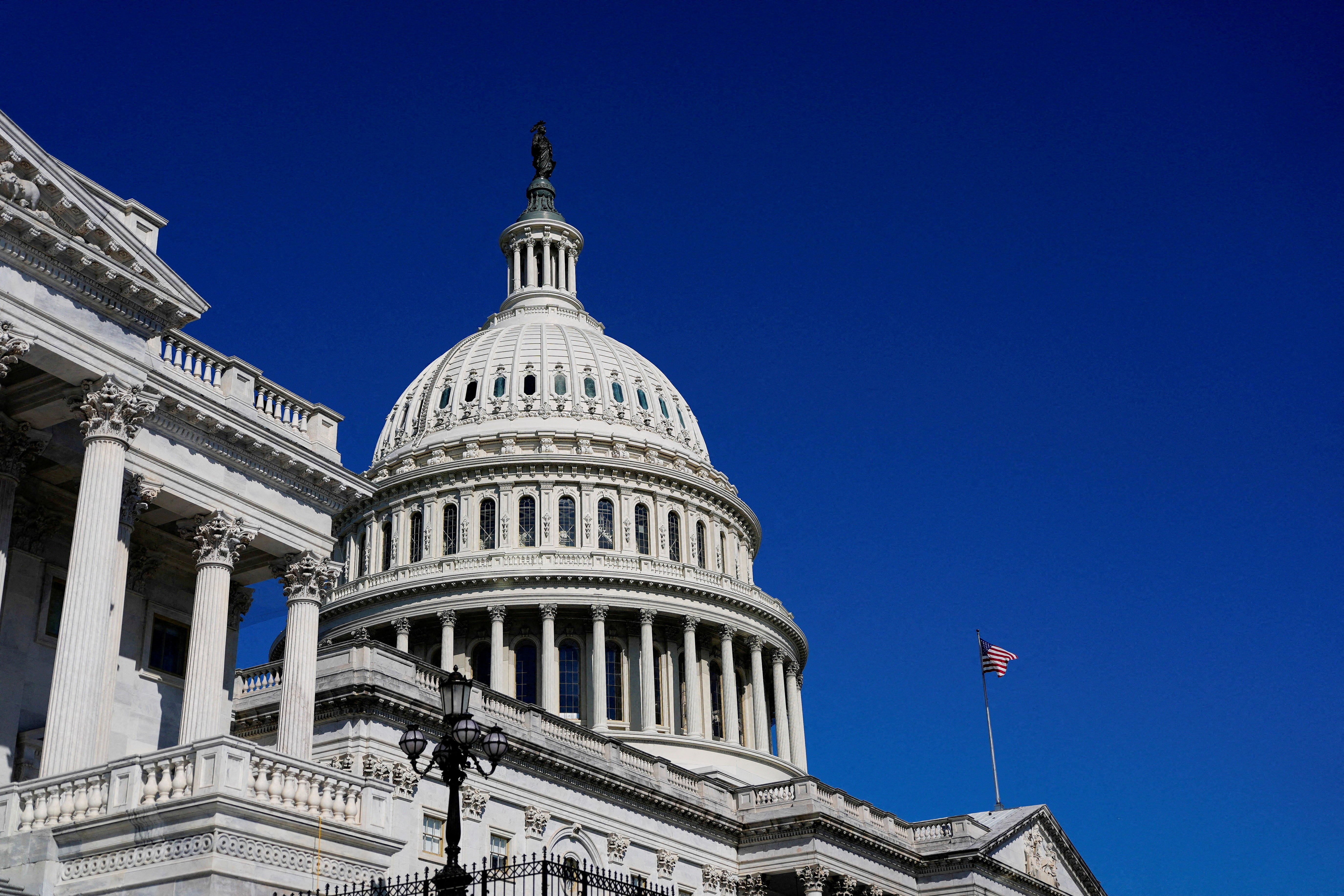
US Senate Democrats on Tuesday blocked a $1 trillion defense spending bill, which would have authorized annual defense expenditures and provided a military pay raise. The National Defense Authorization Act (NDAA) failed to advance with a 50-46 vote, falling short of the required majority. Senate Democratic leader Chuck Schumer stated the bill could not serve as authorization for the current actions in Iran, arguing President Trump cannot deepen US involvement in a war without explaining its purpose or end goals. This vote occurred one day after the White House formally notified Congress of renewed airstrikes against Iran, breaking a fragile ceasefire. The conflict between the US, Israel, and Iran has already impacted global fuel prices and stability. Several previous congressional attempts to limit presidential war powers and halt military operations have failed, with most Republicans supporting President Trump. Senate Republican leader John Thune defended the bill, emphasizing the military's need for resources. Thune later changed his vote for procedural reasons, allowing the bill to be reconsidered. The NDAA, a long-standing annual legislation, sets defense priorities and funding. This year's bill faced opposition not only due to the Iran conflict but also criticism of the White House's proposed $1.5 trillion Pentagon budget for 2027, a significant increase from the previous year's $900 billion. Some Republicans also expressed concern over increased public spending, questioning the necessity of additional funds given previous allocations. The Senate also seeks to impose restrictions on Defense Secretary Pete Hegseth, potentially withholding travel funds if requested information on internal procedures and spending, including details on a deadly attack on an Iranian school, is not provided. Democrats are pushing for stricter measures, including provisions to compel the government to cease military operations, with Senator Tammy Duckworth vowing to vote against the bill unless an amendment to end the conflict is included.
The legislative deadlock highlights a significant tension between executive war-making authority and congressional oversight, particularly concerning the escalating conflict with Iran. The Democrats' procedural move leverages the annual defense authorization process to exert pressure on the administration's foreign policy decisions, signaling a potential shift in the balance of power. This event underscores the growing challenges in funding military operations amidst public and legislative skepticism about prolonged engagements, especially when justifications and exit strategies remain unclear. Looking ahead, the increasing reliance on defense budgets to fund modernization and address geopolitical threats, juxtaposed with concerns over fiscal responsibility, will likely intensify debates on national security priorities and the role of Congress in authorizing military action in the coming decade.
AI-generated to prompt reflection — not editorial opinion, not advice, not a statement of fact. How this works.