Democrats Seek to Curb Trump's Iran Campaign Through Defense Bills
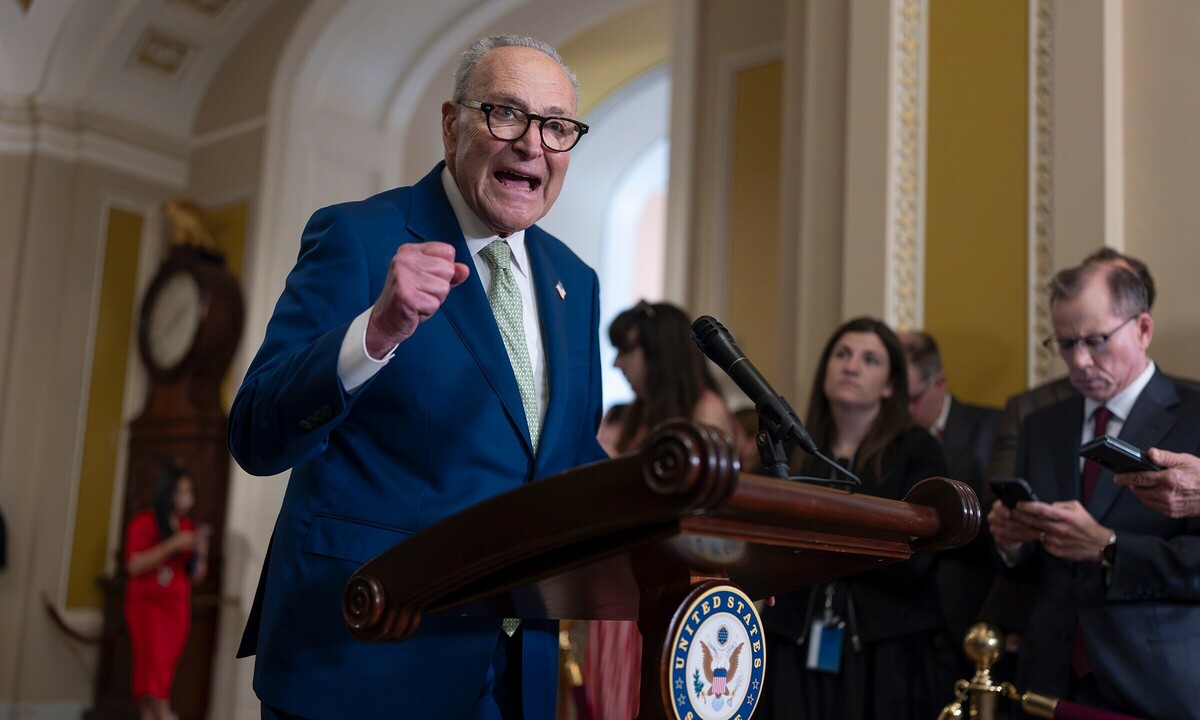
Democrats in the United States are employing legislative tactics to impede President Donald Trump's campaign against Iran. They are focusing their efforts on blocking defense and budget bills that could facilitate or expand Trump's initiatives concerning Iran. This strategy aims to impose constraints on the administration's actions and potentially alter its approach to Iran policy. The move signifies a significant political maneuver by the Democratic party to exert influence over foreign policy decisions made by the executive branch. By targeting key appropriations and defense authorization measures, Democrats intend to create legislative hurdles that the Trump administration must overcome. The specific details of the defense and budget bills being targeted are crucial to understanding the full scope of this Democratic opposition. This legislative push underscores the ongoing partisan divisions regarding foreign policy and the specific challenges facing the Trump administration in its dealings with Iran.
The Democratic party's legislative strategy to curb the Trump administration's Iran campaign highlights the inherent tension between executive and legislative powers in foreign policy. By leveraging control over defense and budget bills, Democrats are attempting to impose fiscal and legal constraints on presidential actions. This approach reflects a broader trend of using appropriations as a tool for policy influence, particularly when direct legislative consensus is difficult to achieve. The effectiveness of this strategy will depend on the Democrats' ability to maintain party unity and garner sufficient bipartisan support, or to exploit specific provisions within the bills that resonate with a wider congressional constituency. This dynamic underscores the systemic checks and balances designed to moderate foreign policy initiatives, especially in areas with significant geopolitical implications, and prompts consideration of how future administrations might navigate similar legislative challenges.
AI-generated to prompt reflection — not editorial opinion, not advice, not a statement of fact. How this works.