Den Bosch Cancels Carnival Thursday Due to Overcrowding and Nuisance
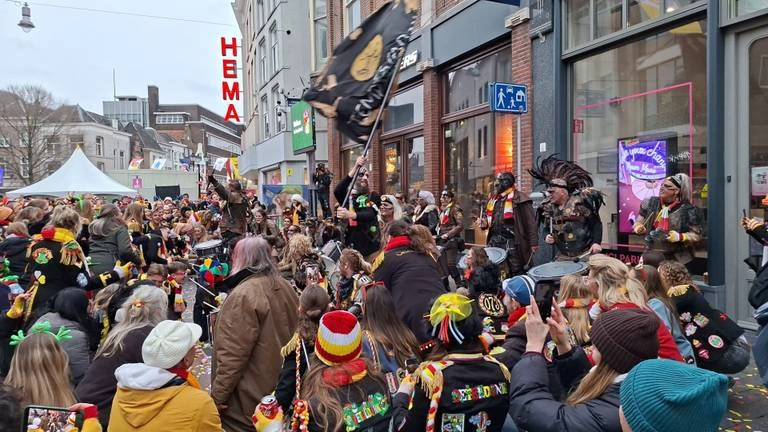
The municipal council of Den Bosch has decided to discontinue the celebration of Carnival Thursday, citing excessive visitor numbers and resulting nuisance. Although not traditionally considered a main Carnival day, Den Bosch had developed festive activities for Thursday. The city has faced increasing crowds during Carnival for some time, impacting accessibility for shops and businesses and causing other disturbances. For two and a half years, the hospitality and retail sectors discussed crowd management strategies but deferred the decision to the municipality. Consequently, no events will be permitted on Carnival Thursday, and establishments serving alcohol can only open at 6 PM. In exchange, these businesses will be allowed to open at 9 AM on Friday, instead of the previous 3 PM. This decision has caused financial concerns among some hospitality entrepreneurs, who view Thursday as a crucial social gathering for locals and fear the crowds will merely shift to Friday, blocking access. The local branch of Royal Dutch Hospitality Association (KHN) previously described the measures as "disproportionate, unnecessarily restrictive, and detrimental to the city's welcoming character." Mayor Jack Mikkers acknowledged the hardship for entrepreneurs, calling the decision "terrible" but necessary to restore balance, stating that six days of Carnival placed too much strain on the city. While the mayor preferred a city-wide ban, the council opted to allow Carnival Thursday to proceed in surrounding villages and communities, to prevent them from bearing the burden of the city center's issues.
The municipality's decision to cancel Carnival Thursday reflects a common urban challenge: balancing large-scale public festivities with the daily operational needs of businesses and the comfort of residents. The move prioritizes order and accessibility over an extended celebration, indicating a shift in the city's approach to managing major events. This decision highlights the tension between preserving cultural traditions and mitigating the negative externalities of their popularity, such as overcrowding and nuisance. Future strategies may need to explore more nuanced crowd management techniques or alternative event structures that distribute impact more evenly across days and locations, rather than outright cancellations, to maintain both cultural vibrancy and urban functionality.
AI-generated to prompt reflection — not editorial opinion, not advice, not a statement of fact. How this works.