Dengue Cases Low This Year, But Risk May Rise With Monsoon
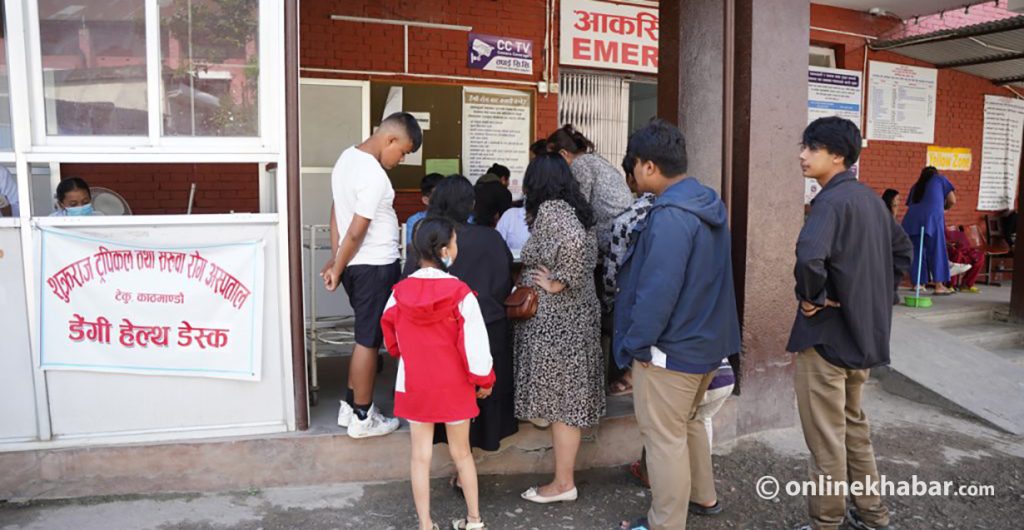
Infectious disease specialist Dr. Sher Bahadur Pun warns that underestimating dengue as a common viral fever is a significant mistake. While dengue infections have been relatively low this year, the risk of an increase is anticipated with the onset of the monsoon season. Dr. Pun emphasizes the importance of not dismissing dengue symptoms, as timely diagnosis and treatment are crucial for managing the disease effectively. He highlights that the monsoon period often creates favorable conditions for mosquito breeding, which can lead to a surge in dengue cases. Public health officials are monitoring the situation closely and advising citizens to take preventive measures against mosquito bites. These measures include using mosquito repellent, wearing protective clothing, and eliminating stagnant water sources where mosquitoes can breed. The public is urged to seek medical attention promptly if they experience symptoms suggestive of dengue, such as high fever, severe headache, pain behind the eyes, muscle and joint pains, and a rash.
The statement from Dr. Sher Bahadur Pun underscores a critical public health challenge: the potential for underestimation of infectious diseases like dengue. While current case numbers may be low, the seasonal increase predicted with the monsoon highlights the cyclical nature of vector-borne illnesses and the importance of sustained vigilance. This situation presents a systemic challenge for public health infrastructure, requiring proactive rather than reactive strategies. Future preparedness will likely depend on integrating climate forecasting with disease surveillance to anticipate outbreaks more accurately, thereby optimizing resource allocation and public awareness campaigns. The focus should remain on strengthening community-level prevention and early detection systems to mitigate the impact of such predictable, yet potentially severe, seasonal health risks.
AI-generated to prompt reflection — not editorial opinion, not advice, not a statement of fact. How this works.