Dengue Cases Plummet 86% in Alto Tietê Region During First Half of 2026
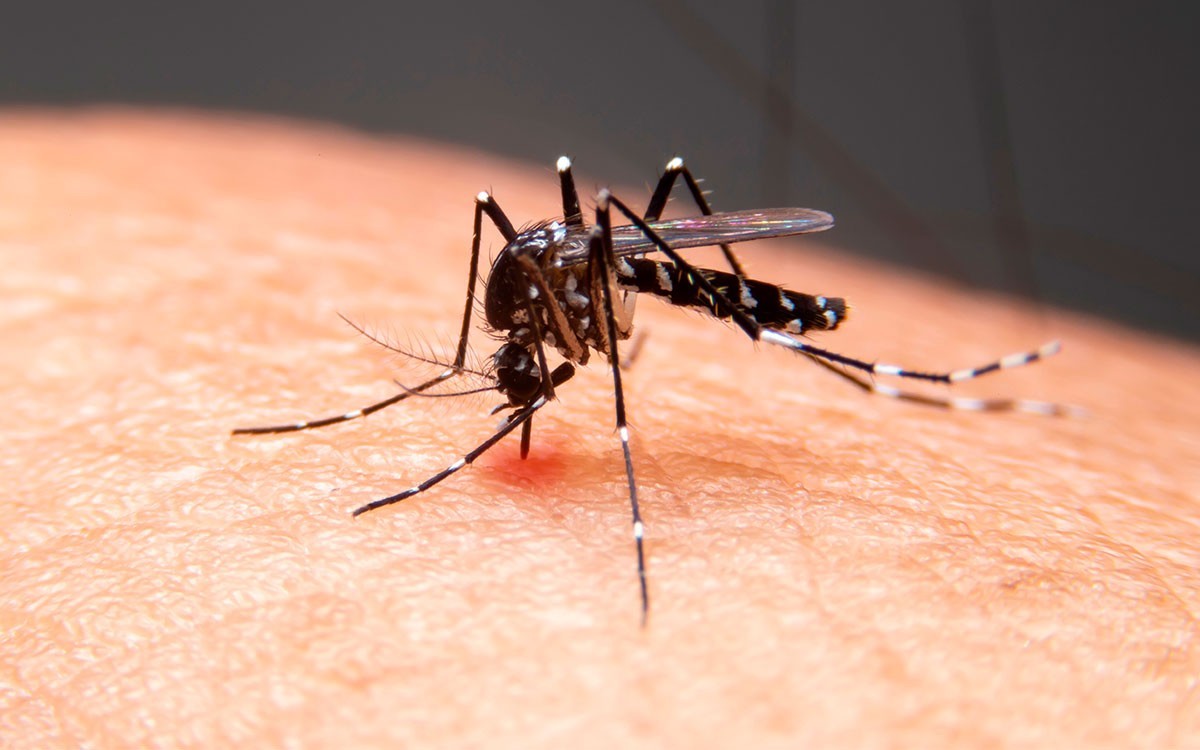
The Alto Tietê region in Brazil has experienced a significant decrease of 86.8% in confirmed dengue cases during the first half of 2026, when compared to the same period in 2025. This finding is based on data collected by g1 from municipal health departments across the region. Suspected dengue cases also saw a substantial reduction, declining by approximately 71.9% between the two periods. The survey included data from Arujá, Biritiba-Mirim, Ferraz de Vasconcelos, Guararema, Itaquaquecetuba, Mogi das Cruzes, Poá, Salesópolis, Santa Isabel, and Suzano, with every municipality reporting a drop in cases.
Nationally, Brazil reported a 73.5% decrease in dengue cases for the first half of 2026 compared to the previous year, with 392,800 cases recorded by June 20th. Municipalities that had the highest number of cases in early 2025, such as Suzano, Itaquaquecetuba, and Mogi das Cruzes, also observed significant declines. Salesópolis showed the smallest reduction, with only four more cases in the first half of 2026 than in 2025. Despite the overall decrease, health authorities continue to urge the public to maintain vigilance in eliminating Aedes aegypti mosquito breeding grounds by preventing stagnant water accumulation in containers like tires, planters, and water tanks. The Ministry of Health reminds citizens that while anyone can contract dengue, older individuals and those with chronic conditions like diabetes and hypertension face a higher risk of severe complications. Common symptoms include fever, headache, body aches, and pain behind the eyes. The dengue vaccine was integrated into Brazil's public health system (SUS) in December 2023, complementing ongoing vector control efforts.
The dramatic reduction in dengue cases across Brazil's Alto Tietê region and the nation highlights the potential impact of coordinated public health interventions, including vector control and vaccination programs. While the data suggests a positive trend, it is crucial to examine the underlying factors contributing to this decline, such as increased public awareness, environmental management initiatives, and the efficacy of the dengue vaccine introduced in late 2023. Moving forward, sustained investment in epidemiological surveillance and public health infrastructure will be essential to prevent resurgence, especially given the ongoing challenges posed by climate change and urbanization, which can create more favorable conditions for mosquito breeding. Understanding the long-term effectiveness of current strategies and adapting them to evolving environmental and societal dynamics will be key to ensuring sustained public health gains against vector-borne diseases.
AI-generated to prompt reflection — not editorial opinion, not advice, not a statement of fact. How this works.